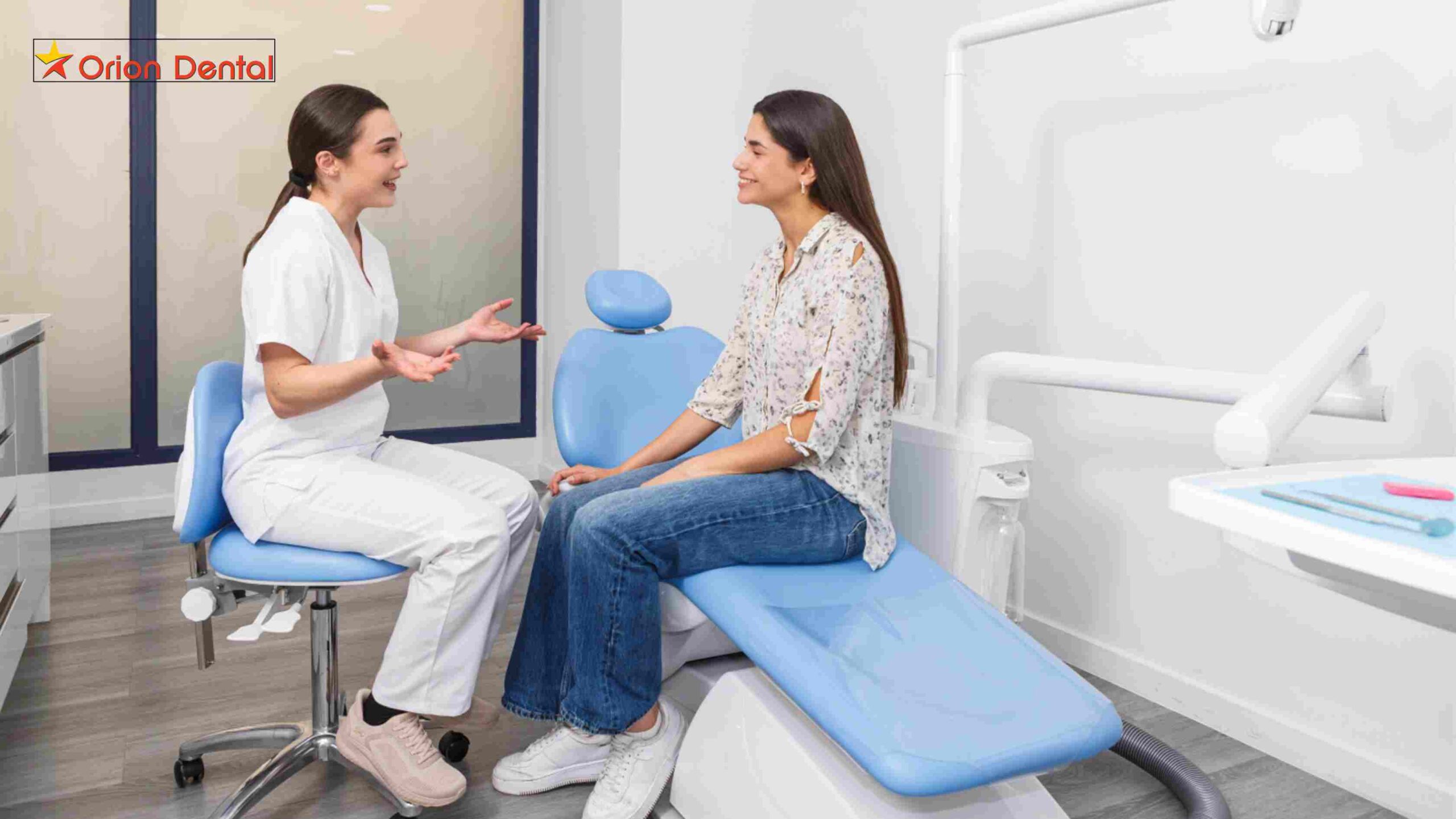
Many people feel nervous before visiting the dentist, whether it’s because of a previous experience, fear of discomfort, or simply not knowing what to expect. The good news is that modern dentistry has changed significantly over the years. Today’s dental practices focus not only on providing high-quality treatment but also on creating a comfortable, supportive experience for every patient.
Whether you’re visiting for a routine cleaning, restorative treatment, or oral surgery consultation, there are several simple steps you can take to feel more relaxed and confident during your appointment.
Why Do Some People Feel Uncomfortable at the Dentist?
Feeling anxious about dental care is more common than many people realize. For some, it’s mild nervousness before an appointment. For others, it may be significant enough to delay treatment for months or even years.
Common reasons include:
- Previous negative dental experiences
- Fear of pain or injections
- Sensitive teeth or gums
- Feeling out of control during treatment
- Concern about receiving bad news
- The sounds and smells of a dental office
- Embarrassment about oral health
Recognizing the source of your anxiety is the first step toward making future visits more comfortable.
10 Tips to Make Your Dental Appointments More Comfortable
Small changes before and during your visit can have a big impact on your overall experience.
1. Choose a Dental Team You Trust
Feeling comfortable begins with finding a dentist who listens to your concerns and explains your treatment options clearly.
A patient-centered dental team will:
- Answer your questions
- Explain each procedure
- Respect your comfort level
- Encourage open communication
- Never rush your care
Building trust helps reduce anxiety over time.
2. Share Your Concerns Before Treatment Begins
Many patients hesitate to mention they’re nervous.
However, letting your dental team know allows them to adjust your appointment to better meet your needs.
They may:
- Explain each step beforehand
- Check in with you regularly
- Schedule additional breaks
- Recommend comfort techniques
- Discuss sedation options if appropriate
3. Schedule Your Appointment at the Right Time
Choose a time when you’re less likely to feel rushed or stressed.
Morning appointments are often helpful because they reduce the amount of time spent worrying beforehand.
If your schedule is busy, choosing a quieter part of the day may also help you feel more relaxed.
4. Eat a Light Meal Before Your Appointment
Unless you’ve been given specific instructions to fast, eating a light, balanced meal beforehand can help you feel more comfortable and prevent low blood sugar during your visit.
Be sure to follow any pre-treatment instructions provided by your dentist, especially if sedation is planned.
5. Practice Relaxation Techniques
Simple relaxation strategies can help calm both your mind and body.
Try:
- Slow deep breathing
- Guided meditation
- Progressive muscle relaxation
- Positive visualization
These techniques can reduce tension before and during treatment.
6. Bring Headphones or Listen to Music
Listening to calming music, podcasts, or audiobooks can help distract your attention from dental equipment and create a more relaxing atmosphere.
Many patients find this especially helpful during longer appointments.
7. Agree on a Signal to Pause
Knowing you can take a break whenever needed often helps patients feel more in control.
Before treatment begins, choose a simple hand signal that lets your dentist know you’d like to pause.
This small step can significantly improve your comfort.
8. Ask About Comfort Options
Depending on your needs and the procedure being performed, your dentist may recommend additional comfort measures.
These may include:
- Topical numbing gel before local anesthesia
- Comfortable positioning during treatment
- Bite blocks to reduce jaw fatigue
- Sedation options for appropriate patients
Your dentist will explain which options are suitable for your situation.
9. Keep Up with Routine Dental Visits
Avoiding dental care often leads to more complex problems that require longer treatments.
Regular dental examinations help identify concerns early, making treatment simpler, quicker, and often more comfortable.
Routine visits also help you become more familiar with your dental team.
10. Focus on the Benefits After Treatment
Instead of concentrating on temporary nervousness, remind yourself of the long-term benefits:
- Healthier teeth and gums
- Relief from pain
- Better chewing ability
- Improved confidence
- Prevention of future dental problems
Thinking about the positive outcome can make appointments feel more worthwhile.
How Modern Dentistry Makes Dental Visits More Comfortable
Dental technology and patient care have improved dramatically in recent years.
Today’s practices often use:
- Digital X-rays with lower radiation exposure
- More precise local anesthesia techniques
- Intraoral cameras for better patient education
- Minimally invasive treatment methods
- Improved restorative materials
- Digital treatment planning
These advancements often mean shorter appointments, greater precision, and a more comfortable overall experience.
When Dental Anxiety Keeps You Away
If you’ve postponed dental treatment because of fear, you’re not alone.
Many patients avoid appointments until discomfort becomes impossible to ignore.
The best approach is to begin with a consultation rather than waiting for a dental emergency.
Your dentist can:
- Evaluate your oral health
- Discuss your concerns
- Explain treatment options
- Develop a personalized care plan
- Help you rebuild confidence gradually
Taking the first step is often the hardest but also the most rewarding.
What should I do if I’m nervous before a dental appointment?
Let your dental team know about your concerns, practice relaxation techniques, and consider bringing headphones or listening to calming music during your visit.
Can dentists help patients with dental anxiety?
Yes. Dentists regularly care for anxious patients by explaining procedures, providing reassurance, offering breaks, and discussing comfort options tailored to each patient’s needs.
Are modern dental procedures painful?
Thanks to advances in anesthesia, technology, and treatment techniques, many modern dental procedures are far more comfortable than patients expect.
Can I request breaks during treatment?
Absolutely. Most dentists encourage patients to communicate throughout treatment and will pause whenever needed.
Is it okay if I haven’t seen a dentist in years?
Yes. Your dental team is there to help not judge. Scheduling a consultation is an excellent first step toward improving your oral health.
Comfortable Care Begins with the Right Dental Team
A positive dental experience starts with feeling heard, respected, and comfortable. Whether you’re due for a routine checkup or need more advanced treatment, taking small steps to prepare and working with a compassionate dental team can make a significant difference in how you feel.
At Orion Dental, we’re committed to creating a welcoming environment where patients of all ages can receive the care they need with confidence. From your first consultation to your ongoing dental care, our team focuses on clear communication, gentle treatment, and personalized care to help every visit feel as comfortable as possible.
FAQ
Q1. How can I make my dental appointment more comfortable?
You can improve your comfort by choosing a trusted dental team, communicating your concerns, practicing relaxation techniques, listening to music, and following your dentist’s recommendations before your visit.
Q2. Is dental anxiety common?
Yes. Many people experience some level of dental anxiety, ranging from mild nervousness to more significant fear that may delay treatment.
Q3. Can dentists help patients who are anxious?
Absolutely. Modern dental practices often provide personalized care, explain procedures in detail, offer breaks during treatment, and discuss comfort options when appropriate.
Q4. Should I avoid the dentist because I’m nervous?
Avoiding dental care can allow small problems to become more serious. Speaking openly with your dentist can help create a more positive and comfortable experience.
Q5. What if I haven’t visited a dentist in several years?
It’s never too late to return. Your dentist will assess your oral health, discuss your concerns, and create a treatment plan that suits your needs.