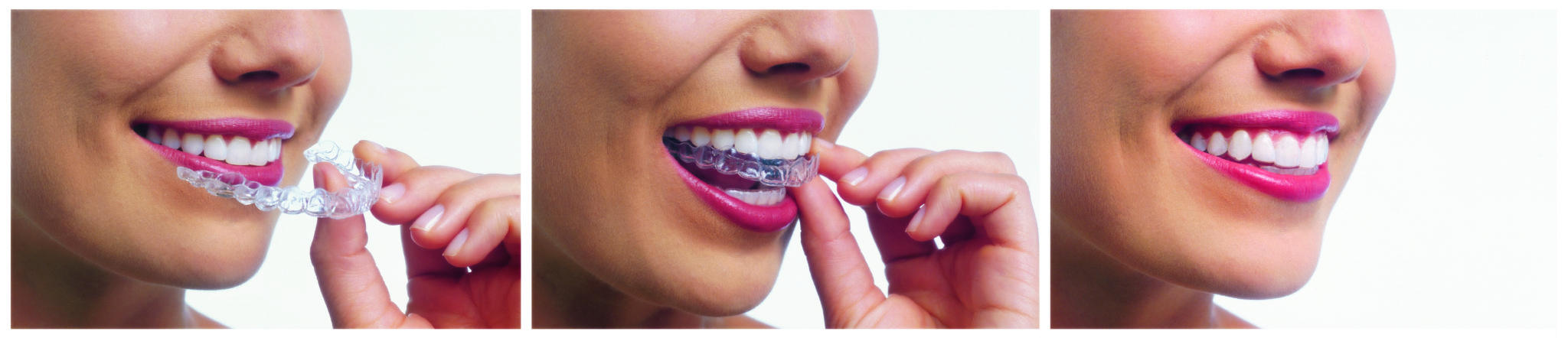
Comparing Invisalign vs braces helps you choose the right path to a healthier, aligned smile. At Orion Dental in Milton and Scarborough, we offer both options and tailor treatment to your bite, lifestyle, and goals.
This guide covers effectiveness, treatment time, comfort, cost, maintenance, and retainers—so you can confidently decide between braces vs Invisalign.
Quick comparison: braces vs Invisalign
- Effectiveness: Both treat mild to complex cases; severe rotations, large gaps, or complex bite changes may favor braces. Invisalign now handles many complex movements with attachments and elastics.
- Treatment time: Similar overall; success depends on case complexity and compliance (Invisalign must be worn 20–22 hours/day).
- Comfort and look: Invisalign aligners are nearly invisible and smoother on cheeks. Braces are visible and can irritate lips but don’t rely on patient wear time.
- Eating and hygiene: Invisalign is removed to eat and brush—easier hygiene. Braces require food adjustments and careful cleaning around brackets.
- Office visits: Both need regular check‑ins; Invisalign visits can be shorter with fewer emergencies (no broken wires).
Who is a good candidate?
- Invisalign: Great for crowding, spacing, mild–moderate bite issues, and patients who can wear aligners as directed. Teen and adult options available.
- Braces: Ideal for complex tooth movements, significant rotations, impacted teeth, or when maximum control is needed—and for patients who prefer a “fixed” option.
We’ll examine teeth, bite, gums, and take digital scans/X‑rays to recommend the best approach for your smile.
Invisalign vs braces cost
Invisalign cost vs braces cost varies by:
- Case complexity and length of treatment
- Number of aligners or type of braces (metal, ceramic)
- Attachments/elastics and refinements (Invisalign)
- Retainers after treatment (both require them)
We’ll review your personalized plan and fees at your consultation and help verify insurance coverage and financing options. Costs are comparable for similar cases.
Treatment time and appointments
- Average timelines are often 12–24 months for both, depending on complexity.
- Invisalign: Wear aligners 20–22 hours/day and change sets as directed. Missed wear increases treatment time.
- Braces: Monthly adjustments; treatment progresses regardless of daily habits, but breakage can slow things down.
Comfort, eating, and hygiene
- Comfort: Invisalign edges are smooth; braces can cause temporary soreness after adjustments.
- Eating: Remove Invisalign to eat anything you like; avoid sticky, hard foods with braces to prevent damage.
- Hygiene: Brush and floss normally with Invisalign. With braces, use interdental brushes/water flossers and fluoride toothpaste to keep teeth clean.
Retainers vs Invisalign
Retainers are not an alternative to Invisalign or braces—they maintain results after treatment.
- After Invisalign or braces, you’ll wear retainers to keep teeth from shifting.
- Types: Removable clear retainers or fixed (bonded) wires. We’ll recommend what suits your case and lifestyle.
Which is the best treatment for you?
The best treatment for straightening teeth depends on your bite, goals, and preferences:
- Prefer discreet, removable treatment and can commit to wear time? Invisalign may be best.
- Have complex movement needs or want a fixed option with no daily compliance? Braces may be better.
We’ll help you compare Invisalign vs braces during a one‑on‑one consultation and show likely timelines and outcomes.
FAQs: Invisalign vs braces
Is Invisalign as effective as braces?
For many cases, yes. With attachments and elastics, Invisalign addresses a wide range of movements. Some complex cases still respond better to braces.
Which is faster: braces or Invisalign?
Similar for comparable cases. Invisalign speed depends on consistent 20–22 hour daily wear.
Is Invisalign more comfortable than braces?
Most patients find smooth aligners more comfortable than brackets and wires, though you may feel pressure during tooth movement with either.
Invisalign cost vs braces cost—what’s cheaper?
It depends on complexity, duration, and materials. For similar cases, costs are often comparable. We’ll provide a clear estimate and discuss insurance/financing.
Can I eat normally with Invisalign?
Yes—remove aligners to eat. Brush before putting them back. With braces, avoid sticky, hard, and very chewy foods.
Do I still need retainers after Invisalign or braces?
Yes. Retainers maintain your new alignment and prevent relapse.
Are there age limits?
No. Teens and adults can be successful with either option, provided gums and bone are healthy.
Why choose Orion Dental for Invisalign or braces in Milton and Scarborough?
- Experienced team offering both Invisalign and traditional braces
- Digital scans and X‑rays for precise planning
- Clear timelines, costs, and home‑care guidance
- Convenient follow‑ups at two locations
Ready to compare braces vs Invisalign for your smile? Book a consultation in Milton or Scarborough. We’ll create a personalized plan that fits your goals, lifestyle, and budget.