
4.64 out of 5 · 288 Google reviews
4.64 / 5 · Google
288 reviews across Milton & Scarborough.
Your Complete Guide to Oral Health
Oral health rests on three habits: brushing twice daily for two minutes with a soft-bristle brush and fluoride toothpaste, cleaning between your teeth every day, and a professional checkup and cleaning about every six months. A toothbrush cannot reach the sides of teeth that touch each other, so floss or an interdental cleaner covers the rest. Chronic gum disease has been associated with cardiovascular disease and diabetes complications, though the mechanisms are still being studied.

Orion Dental Team
Led by Dr. Fahimay Naqvi
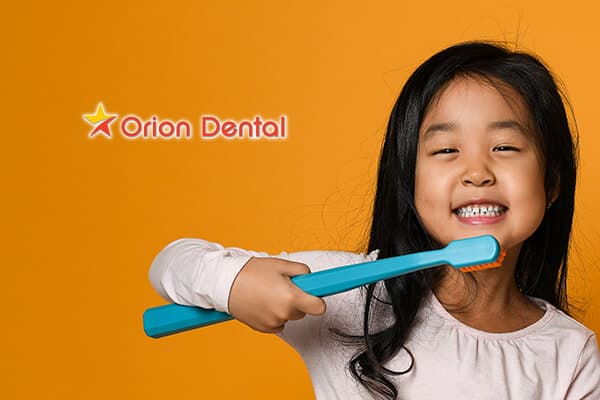
Most people know they should brush and floss — but many are surprised to learn that technique matters just as much as frequency. A two-minute brush with the wrong angle may leave plaque behind, while a well-executed routine helps protect your teeth and gums over the long term.
At Orion Dental in Scarborough and Milton, we believe that informed patients make healthier choices. This guide brings together everything we discuss with our patients about building and maintaining excellent oral health.
2 min
minimum brushing time
2x
daily brushing
6 mo
recommended checkup interval
Common
gum disease in adults over 30
Daily Brushing: The Foundation of Oral Health
Brushing is your primary defence against plaque — the sticky bacterial film that forms on teeth throughout the day. Left undisturbed, plaque produces acids that erode enamel and irritate gums. Here is how to brush effectively:
Effective Brushing Technique
Choose the Right Brush
Use a soft-bristle brush with a head small enough to reach your back teeth. Replace it every three to four months.
Apply Fluoride Toothpaste
A pea-sized amount of fluoride toothpaste is sufficient for adults. Fluoride strengthens enamel and helps prevent decay.
Angle at 45 Degrees
Tilt the brush at 45 degrees toward the gum line. This lets bristles clean the critical junction where teeth meet gums.
Use Gentle Strokes
Short, circular or back-and-forth strokes work well. Avoid scrubbing — aggressive brushing wears down enamel and irritates gums.
Cover All Surfaces
Outer, inner, and chewing surfaces of every tooth. Don't neglect the tongue-side surfaces, which tend to accumulate more plaque.
Brush for Two Minutes
Divide your mouth into four quadrants and spend 30 seconds on each. An electric toothbrush with a built-in timer can help.
Timing Tip
Brush in the morning and before bed at a minimum. If possible, brush after lunch as well. If you consume acidic foods or drinks, wait 30 minutes before brushing — acids temporarily soften enamel, and brushing too soon can cause erosion.
Flossing: Reaching Where Your Brush Cannot
Your toothbrush cannot reach the sides of teeth that touch each other. Those contact surfaces need floss or an interdental cleaner. Without daily flossing, plaque in these spaces hardens into tartar within one to two days, setting the stage for cavities and gum disease.
For a detailed walkthrough, see our guide on how to floss your teeth properly. The key points: use approximately 45 cm of floss, form a C-shape around each tooth, and gently slide below the gum line. Use a fresh section for each tooth.
Interdental Cleaning Options
- Traditional string floss — waxed or unwaxed, available in various thicknesses
- Floss picks — convenient for on-the-go use or patients with limited hand dexterity
- Interdental brushes — small brushes that fit between teeth, especially effective for wider spaces
- Water flossers — pressurised water stream that removes debris, helpful for braces and implants
- Soft picks — flexible rubber bristle picks for gentle cleaning between teeth
Nutrition and Your Teeth
What you eat — and how often you eat — has a direct impact on your dental health. Every time you consume food or drink (other than water), bacteria in your mouth produce acids for approximately 20 to 30 minutes. Frequent snacking means your teeth are under near-constant acid attack.
| Foods That Help | Foods to Limit |
|---|---|
| Dairy products (cheese, yoghurt, milk) — rich in calcium and phosphorus | Sugary snacks and sweets — feed cavity-causing bacteria |
| Crunchy vegetables (carrots, celery) — stimulate saliva and scrub surfaces | Sticky candies and dried fruit — cling to tooth surfaces |
| Leafy greens — high in calcium and folic acid | Soft drinks and sports drinks — high sugar and acidity |
| Nuts and seeds — provide minerals and stimulate saliva | Citrus juices consumed frequently — erode enamel over time |
| Water — rinses food particles and maintains saliva flow | Starchy processed foods — break down into sugars quickly |
Calcium and vitamin D are particularly important for strong teeth and bones. Dairy products, fortified plant milks, leafy greens, and fatty fish are all excellent sources. If you have dietary restrictions, speak with your healthcare provider about supplementation.
Time for Your Checkup?
Regular visits are a key part of maintaining oral health. Book your next appointment today.
The Role of Professional Dental Care
Even with excellent home care, professional dental visits are essential. Your dentist and hygienist can detect issues before they cause symptoms — and remove tartar that home brushing and flossing cannot.
A typical comprehensive checkup includes a thorough examination of your teeth, gums, and soft tissues; professional cleaning to remove plaque and tartar; digital X-rays when needed to detect hidden problems; and an oral cancer screening. For most patients, these visits are recommended every six months.
Preventive Cleanings
Professional removal of plaque and tartar, polishing, and fluoride treatment to keep teeth strong and gums healthy.
Early Detection
Catching cavities, gum disease, and oral cancer in their earliest stages when treatment is simplest and least invasive.
Personalised Guidance
Your dental team can identify areas you may be missing at home and recommend tailored tools and techniques.
Protective Treatments
Dental sealants, fluoride varnish, and custom night guards can protect teeth from decay, erosion, and grinding.
Oral Health at Every Stage of Life
Children (Ages 0–12)
Start cleaning your baby's gums with a soft cloth even before teeth appear. Once teeth erupt, use a rice-grain-sized amount of fluoride toothpaste and a child-sized brush. Schedule a first dental visit by age one. As teeth come in closer together, begin flossing. Our children's dentistry team can apply dental sealants to molars as they emerge — a quick, comfortable protective coating that can help reduce the risk of decay on molars.
Teens and Young Adults (Ages 13–25)
This period often involves orthodontic treatment, wisdom teeth evaluation, and establishing independent oral care habits. Sports guards are important for athletes, and dietary choices — particularly sugary drinks — become a significant factor in cavity risk.
Adults (Ages 26–64)
Adult oral health focuses on maintaining what you have — preventing gum disease, managing wear and tear, and addressing cosmetic concerns. Stress-related clenching and grinding (bruxism) is common in this group; a custom night guard can help protect your teeth while you sleep.
Seniors (Ages 65+)
Dry mouth from medications, root decay, and gum recession become more common with age. Regular dental visits are especially important for early detection. If tooth loss has occurred, dental implants or dentures can restore function and confidence.
The Oral-Systemic Connection
There are well-documented connections between oral health and overall health. Chronic gum disease has been associated with an increased risk of cardiovascular disease, diabetes complications, respiratory infections, and adverse pregnancy outcomes. While the exact mechanisms are still being studied, the evidence reinforces that caring for your mouth is an investment in your whole body.
More Than a Smile
Oral health can be a window into overall health. Conditions like diabetes, nutritional deficiencies, and immune disorders often present early signs in the mouth. Regular dental exams can play a role in detecting systemic conditions early.
Building Habits That Last
Knowing what to do is one thing — doing it consistently is another. Here are strategies that help our patients build lasting oral care habits:
Habit-Building Strategies
- Set a phone timer for two minutes when brushing — or use an electric brush with a built-in timer
- Keep floss visible and accessible — on the counter, not buried in a drawer
- Pair flossing with an existing habit, like right before brushing at night
- Track your consistency — even a simple calendar checkmark builds momentum
- Start small if flossing is new — even a few teeth per day builds the habit
- Book your next dental appointment before you leave the office so it's already on the calendar
Your Partner in Oral Health
Oral health is a lifelong journey, and consistency is the greatest predictor of success. A solid daily routine, a balanced diet, and regular professional care form the three pillars that keep your teeth and gums healthy at every age.
Ready to take the next step?Whether you're due for a cleaning, have questions about your routine, or need to address a concern, our team at Orion Dental is here to help. Visit us in Scarborough or Milton. Book an appointment or call 416-291-0306 (Scarborough) / 905-636-9770 (Milton).
Frequently Asked Questions
Common questions about oral health
How often should I visit the dentist?
Most patients benefit from a checkup and cleaning every six months. Patients with gum disease, a history of frequent cavities, or certain medical conditions may need visits every three to four months. Your dentist will recommend a schedule based on your individual needs.
What is the correct way to brush my teeth?
Use a soft-bristle brush and fluoride toothpaste. Angle the bristles at 45 degrees to the gum line and use gentle circular or short back-and-forth strokes. Brush for at least two minutes, covering all surfaces — outer, inner, and chewing. Don't forget to brush your tongue.
Does diet really affect my teeth?
Yes. Frequent consumption of sugary and acidic foods feeds cavity-causing bacteria and erodes enamel. A balanced diet rich in calcium, phosphorus, and vitamins A, C, and D supports strong teeth and healthy gums. Drinking water throughout the day also helps rinse away food debris.
Are electric toothbrushes better than manual ones?
Both can clean teeth well. An electric brush does some of the work for you and its timer helps you brush for the full two minutes, but a manual brush used with proper technique is still effective. The right choice depends on your preference, dexterity, and budget.
When should children start seeing a dentist?
The Canadian Dental Association recommends a child's first dental visit within six months of their first tooth erupting, or by age one. Early visits establish a dental home, allow the dentist to monitor development, and help children become comfortable with dental care.
Is mouthwash necessary for good oral health?
Mouthwash is not a substitute for brushing and flossing, but it can be a helpful addition. Antimicrobial rinses reduce bacteria, and fluoride rinses strengthen enamel. Your dentist can recommend a rinse suited to your specific needs.
Related Articles
Continue reading about dental health
How to Floss Your Teeth Properly
A step-by-step guide to the flossing technique that keeps your teeth and gums healthy.
Read moreCavities: How They Form and How to Prevent Them
Understand the science behind tooth decay and the daily habits that prevent cavities.
Read moreUnderstanding the 4 Stages of Gum Disease
Learn how gum disease progresses and what treatments are available at each stage.
Read more