
4.64 out of 5 · 295 Google reviews
4.64 / 5 · Google
295 reviews across Milton & Scarborough.
Wisdom Teeth Later in Life: What to Know
Yes, wisdom teeth can be removed at 40 or older, and it happens more often than most people expect. As you age the roots harden and the surrounding bone becomes denser, so extraction is usually recommended when decay, impaction, cyst formation or recurring gum infection appears. Recovery may take a little longer than for younger patients, though most people feel significantly better within five to seven days.

Orion Dental Team
Led by Dr. Fahimay Naqvi
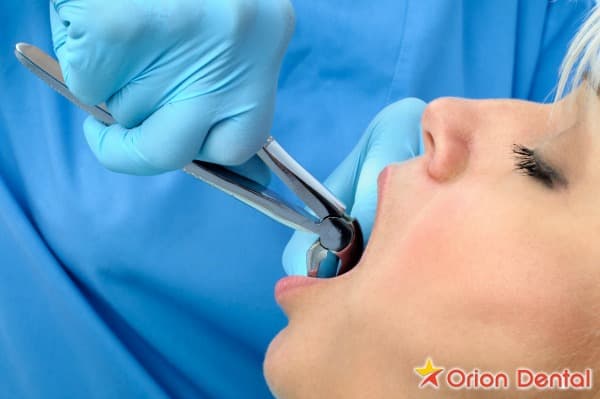
Most people associate wisdom tooth extractionwith their late teens or early twenties. But for a significant number of adults, these third molars don't become problematic until much later. Whether a wisdom tooth has been quietly developing a cavity for years or has suddenly shifted and started pressing on a neighbouring molar, extraction at 40, 50, or even 60 is more common than you might think.
At Orion Dental in Scarborough and Milton, we perform wisdom teeth removal for patients of all ages. This guide explains why extraction may be recommended later in life, what the procedure involves, and how to ensure a smooth recovery.
Common
reason for extraction at any age
40+
age when late issues commonly appear
5–7 days
typical recovery timeline
4
wisdom teeth in most adults
Why Wisdom Teeth Cause Problems Later in Life
Wisdom teeth that were once stable can begin causing trouble as you age. The roots continue to grow and harden, the surrounding bone becomes denser, and the teeth themselves become more vulnerable to decay. Several scenarios commonly lead to extraction recommendations for adults over 40:
Common Reasons for Late Extraction
- Recurring cavities in hard-to-reach wisdom teeth that are impractical to fill
- Partial eruption creating a pocket where bacteria collect, leading to pericoronitis
- Cyst or tumour formation around an unerupted or impacted tooth
- Damage to the roots or enamel of the adjacent second molar
- Chronic gum disease localised around the wisdom tooth area
- Shifting or crowding of other teeth caused by continued wisdom tooth movement
In many cases, a wisdom tooth that was monitored for years with no issues can begin to cause problems seemingly overnight. This is why regular dental checkups and X-rays remain important throughout your life — not just in your younger years.
Did You Know?
Wisdom teeth that are fully impacted (completely buried in bone) can still develop cysts or damage adjacent teeth. Just because a wisdom tooth isn't visible doesn't mean it's harmless. Dental X-rays allow your dentist to monitor hidden wisdom teeth.
Impaction vs. Decay: Two Different Paths to Extraction
When dentists recommend wisdom tooth removal for older adults, it usually falls into one of two categories: impaction-related problems or decay-related problems. Understanding the difference helps you make an informed decision.
| Factor | Impaction Issues | Decay Issues |
|---|---|---|
| Primary concern | Tooth trapped in bone or gum tissue | Cavities in hard-to-reach areas |
| Typical symptoms | Jaw pain, swelling, headaches | Sensitivity, visible holes, bad taste |
| Adjacent tooth risk | Root damage, crowding | Decay spreading to second molar |
| Detection method | X-ray and clinical exam | X-ray and visual inspection |
| Extraction complexity | Often surgical | Usually straightforward |
Regardless of the reason, the goal is the same: remove the source of the problem before it causes more extensive damage to your oral health. In many cases, extracting a problematic wisdom tooth is more predictable and cost-effective than repeatedly trying to restore it with fillings that may fail due to the tooth's difficult position.
What to Expect During the Procedure
Modern tooth extraction techniques have made the procedure far more comfortable than many patients expect. Here is a step-by-step overview of what happens during a typical wisdom tooth removal:
The Extraction Process
Assessment & Planning
Your dentist reviews X-rays to determine the tooth's position, root shape, and proximity to nerves. A tailored extraction plan is created.
Anaesthesia & Sedation
Local anaesthesia numbs the area completely. Laughing gas or other sedation options are available for anxious patients.
Extraction
The dentist carefully loosens and removes the tooth. Impacted teeth may need to be sectioned into smaller pieces for easier removal.
Closure & Aftercare
The site is cleaned, stitches are placed if needed (usually dissolvable), and you receive detailed aftercare instructions.
If you feel anxious about dental procedures, ask about laughing gas (nitrous oxide) sedation. It helps you stay calm and relaxed while remaining fully conscious throughout the appointment. The effects wear off within minutes, so you can typically drive yourself home afterward.
Dealing With Wisdom Tooth Pain?
If you're experiencing wisdom tooth discomfort, our team can assess the area and discuss your options.
Recovery Tips for Older Adults
Recovery after wisdom tooth extraction is generally straightforward, though it may take slightly longer for adults over 40 compared to younger patients. The bone is denser, and blood supply to the area may be somewhat reduced. That said, most patients feel significantly better within five to seven days and return to normal activities quickly.
Rest & Elevate
Take it easy for the first 48 hours. Keep your head elevated, even while sleeping, to minimise swelling.
Ice Packs
Apply ice to the outside of your cheek in 20-minute intervals during the first day to reduce swelling.
Soft Foods Only
Stick to yoghurt, soup, mashed potatoes, and smoothies for the first few days. Avoid hot, spicy, or crunchy foods.
Salt Water Rinses
After 24 hours, gently rinse with warm salt water several times a day to help keep the area clean. This is a traditional home measure and does not replace care from your dentist.
Avoid Straws & Smoking
Suction can dislodge the blood clot and cause dry socket — one of the most common post-extraction complications.
Follow Your Aftercare Instructions
Your dentist will explain what to expect and how to manage any discomfort. Call the office if you have questions during recovery.
Watch for Dry Socket
Dry socket occurs when the blood clot at the extraction site becomes dislodged, exposing the underlying bone and nerves. Symptoms include intense, throbbing pain that starts 2 to 4 days after extraction and a bad taste in the mouth. If you suspect dry socket, contact your dentist or visit our emergency dental service right away.
When to Keep Your Wisdom Teeth vs. When to Remove Them
Not every wisdom tooth needs to come out. If your third molars are fully erupted, properly positioned, healthy, and easy to clean, your dentist may recommend monitoring them with regular checkups rather than extracting them. However, removal is typically the better option when problems are present or likely to develop.
Signs It May Be Time for Removal
- Recurring pain or tenderness in the back of your mouth
- Cavities forming on the wisdom tooth or the tooth next to it
- Swollen, inflamed, or bleeding gums around the wisdom tooth
- A cyst or abnormality detected on X-ray
- Difficulty opening your mouth or persistent jaw stiffness
- Bad breath or a persistent foul taste that originates from the back of the mouth
Get a Professional Evaluation
If you're experiencing wisdom tooth discomfort or your dentist has flagged a potential issue, the best step is a thorough evaluation. At Orion Dental, we use digital X-rays and careful clinical assessment to determine whether extraction is the right choice for your situation — and if so, we make the process as comfortable as possible.
Schedule a consultation at our Scarborough or Milton office. Book an appointment or call 416-291-0306 (Scarborough) / 905-636-9770 (Milton).
Frequently Asked Questions
Common questions about wisdom teeth extraction later in life
Is it safe to have wisdom teeth removed at 40 or older?
Yes. While recovery may take slightly longer compared to younger patients, wisdom tooth extraction at 40 and beyond is a safe, routine procedure when performed by an experienced dentist or oral surgeon.
Why would wisdom teeth need to come out later in life?
Common reasons include recurring decay that is difficult to restore, cyst formation, chronic gum infections around partially erupted teeth, and damage to neighbouring molars caused by impaction.
How long is recovery after wisdom tooth removal for older adults?
Most patients feel significantly better within 5 to 7 days, though complete healing of the extraction site can take several weeks. Following your dentist's aftercare instructions closely will speed recovery.
Can wisdom teeth cause problems even if they don't hurt?
Absolutely. Wisdom teeth can harbour decay, develop cysts, or damage adjacent teeth without causing noticeable pain. Regular dental X-rays help detect hidden problems early.
Will I be put to sleep for the procedure?
Options range from local anaesthesia to laughing gas (nitrous oxide) sedation. Your dentist will recommend the best approach based on the complexity of the extraction and your comfort level.
What happens if I choose not to remove a problematic wisdom tooth?
Leaving a problematic wisdom tooth untreated can lead to worsening decay, infection spreading to adjacent teeth or bone, cyst development, and chronic pain. Early intervention generally leads to simpler treatment and faster recovery.
Related Articles
Continue reading about dental health
Impacted Wisdom Teeth: Warning Signs and Symptoms
Learn the telltale signs of impacted wisdom teeth, from jaw pain to swollen gums, and when to seek treatment.
Read moreWisdom Teeth Removal: What You Should Know
A complete guide to the wisdom tooth extraction process, from preparation to recovery.
Read more