
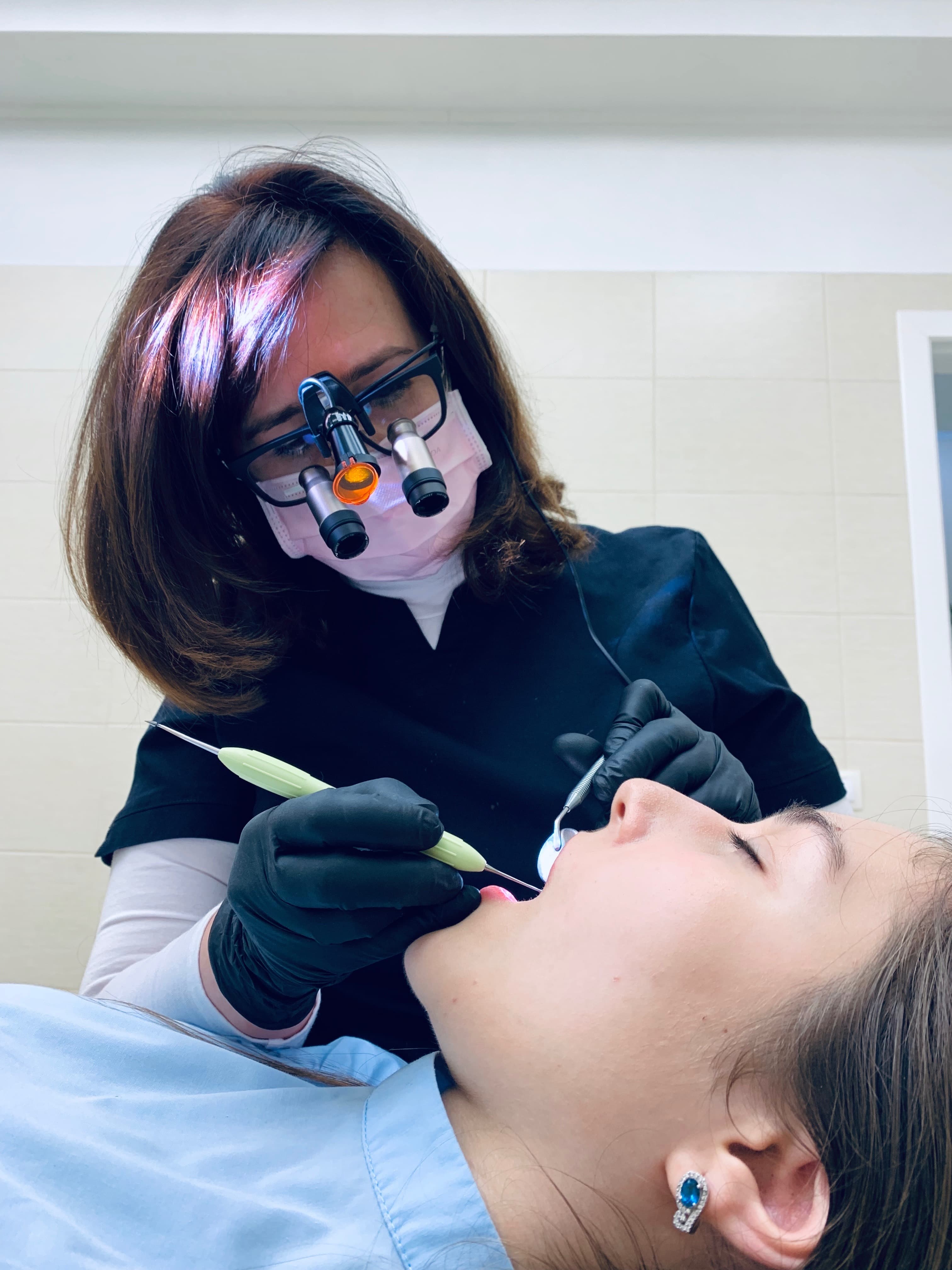
What Is Periodontal Therapy?
Periodontal therapy refers to a range of dental treatments focused on addressing diseases of the gums and the structures that support the teeth, including the bone, periodontal ligament, and cementum. When gum disease progresses beyond the earliest stage of gingivitis, more targeted treatments are needed to manage the condition, prevent further damage, and preserve your natural teeth.
At Orion Dental, our dental team provides comprehensive periodontal therapy at both our Scarborough and Milton offices. We work closely with each patient to develop an individualized treatment plan that addresses their specific periodontal needs and supports the long-term health of their gums and teeth.
More Common
As we get older
4mm+
Pocket depth that signals treatment is needed
Common
Cause of adult tooth loss
Reversible
When caught in the early gingivitis stage
When Is Periodontal Therapy Needed?
Periodontal therapy may be recommended when gum disease has progressed beyond the point where regular professional cleaning and improved home care alone can resolve the condition. Signs that you may need periodontal therapy include:
- Gums that bleed regularly during brushing or flossing
- Persistent bad breath or a bad taste in the mouth
- Red, swollen, or tender gums
- Gums that have pulled away from the teeth, creating visible pockets
- Loose or shifting teeth
- Changes in the way your teeth fit together when you bite
- Periodontal pocket depths of four millimetres or greater, as measured during your dental examination
Warning Signs That Need Prompt Attention
Do not wait for pain to seek treatment — gum disease is often symptom-free in its early and moderate stages. Bleeding gums, persistent bad breath, gum recession, and teeth that feel loose are all signals that your gums need professional care. The sooner treatment begins, the better your chances of preserving your natural teeth.
If your dentist identifies any of these signs during your dental checkup, they will discuss whether periodontal therapy is appropriate for your situation and explain the recommended course of treatment.
What Are the Risk Factors for Gum Disease?
Certain factors increase the likelihood of developing periodontal disease or make it more difficult to manage. Understanding your personal risk profile helps our team tailor your treatment and prevention plan accordingly.
Smoking & Tobacco Use
Tobacco is one of the strongest risk factors for gum disease. Smoking reduces blood flow to the gums, masks symptoms, and significantly impairs healing after treatment.
Diabetes
People with diabetes are at higher risk of developing periodontal disease, and uncontrolled gum disease can in turn make blood sugar harder to regulate — a two-way relationship.
Genetics
Some individuals are genetically predisposed to gum disease. If periodontitis runs in your family, more frequent monitoring and proactive maintenance are especially important.
Chronic Stress
Stress weakens the immune system, making it harder for your body to fight off the bacterial infection that drives gum disease and slowing the tissue healing response.
Poor Oral Hygiene
Infrequent brushing and skipping flossing allows plaque to accumulate and harden into tartar, the primary driver of gum inflammation and periodontal breakdown.
Hormonal Changes
Pregnancy, menopause, and puberty can make gum tissue more sensitive to bacteria. Pregnant patients in particular should attend regular cleanings to reduce periodontal risk.
Gum Disease and Your Systemic Health
Periodontal disease has been associated with systemic conditions including heart disease, stroke, diabetes, and adverse pregnancy outcomes, though the exact nature of these connections is still being studied. Chronic bacterial inflammation originating in the gums can enter the bloodstream and contribute to inflammation elsewhere in the body. Treating gum disease is not only about saving teeth — it is also part of looking after your general health.
Scaling and Root Planing: The Foundation of Periodontal Therapy
Scaling and root planing, often referred to as a deep cleaning, is the most common non-surgical periodontal treatment. It is typically the first line of therapy for patients with mild to moderate periodontitis and serves as the foundation for more involved treatment when it is needed.
The Scaling Process
During scaling, your dental hygienist or dentist uses specialized instruments, including ultrasonic scalers and hand instruments, to carefully remove plaque and hardened tartar (calculus) deposits from the tooth surfaces both above and below the gum line. Particular attention is given to cleaning the root surfaces within the periodontal pockets, where bacteria tend to accumulate and cause the most damage.
The Root Planing Process
After scaling, the root surfaces of the teeth are smoothed through a process called root planing. This step removes residual bacterial toxins that have been absorbed into the root surface and creates a smooth, clean surface that promotes gum healing. When the root surfaces are smooth, the gum tissue can more easily reattach to the teeth, helping to reduce pocket depths over time.
Anaesthesia and Comfort
Scaling and root planing is performed under local anaesthesia to help keep you comfortable throughout the procedure. For patients who experience dental anxiety, we also offer sedation options to help you feel relaxed and at ease during treatment. The procedure is typically divided into multiple appointments, with one or two quadrants of the mouth treated at each visit, allowing for thorough care while keeping each session manageable.
What Does the Periodontal Therapy Process Look Like?
For most patients, periodontal therapy follows a structured sequence of steps designed to eliminate active disease and establish a foundation for long-term gum health.
Comprehensive Periodontal Assessment
Your dentist or hygienist performs a thorough examination that includes periodontal probing to measure pocket depths at multiple points around each tooth, assessment of gum tissue colour and texture, evaluation of bone levels via X-rays, and a review of relevant medical history and risk factors. This assessment establishes your baseline and guides the treatment plan.
Scaling & Root Planing
The active treatment phase involves a thorough deep cleaning of all affected tooth surfaces above and below the gum line. Depending on the extent of disease, treatment is divided into two to four appointments, each addressing one or two quadrants of the mouth. Local anaesthesia keeps you comfortable throughout. In some cases, locally applied antibiotic agents are placed directly into deeper pockets immediately following the cleaning.
Re-evaluation & Pocket Reassessment
Approximately four to six weeks after the completion of scaling and root planing, your dentist re-examines your gums to assess how well the tissue has responded to treatment. Pocket depths are re-measured, and any remaining areas of concern are identified. This appointment determines whether further active treatment or referral to a periodontist is needed, or whether you are ready to transition to the maintenance phase.
Ongoing Periodontal Maintenance Program
Because periodontal disease is a chronic condition, regular maintenance appointments every three to four months are essential to keep it under control. Each maintenance visit includes professional cleaning above and below the gum line, re-probing of pocket depths, monitoring of bone levels, and reinforcement of your home care routine. Consistent maintenance is the single most important factor in preventing recurrence and preserving your results long-term.
Think you may have gum disease? Early intervention makes all the difference. Our team at Orion Dental can assess your gum health and create a personalized treatment plan to protect your smile.
Book a Periodontal AssessmentAdditional Periodontal Treatments
Depending on the severity and nature of your periodontal condition, your dentist may recommend additional treatments to complement scaling and root planing.
Local Antibiotic Therapy
In some cases, your dentist may place a locally applied antimicrobial or antibiotic agent directly into the periodontal pockets following scaling and root planing. These medications help reduce bacterial counts within the pockets and support the healing process. Local antibiotic therapy is targeted and works directly at the site of infection.
Systemic Antibiotics
For patients with more aggressive forms of periodontal disease, systemic antibiotics taken by mouth may be prescribed in addition to local treatment. Your dentist will determine whether systemic antibiotics are appropriate based on the type and severity of your periodontal infection.
Occlusal Adjustment
If your bite is uneven or certain teeth are bearing excessive force, this can worsen periodontal disease by placing additional stress on already weakened supporting structures. Your dentist may recommend minor adjustments to your bite to distribute chewing forces more evenly. For patients who grind their teeth, a custom night guard may be recommended to protect the teeth and periodontal tissues from nocturnal grinding forces.
What to Expect After Periodontal Therapy
Following scaling and root planing, it is normal to experience some mild sensitivity and tenderness in the treated areas. Your gums may also feel slightly sore and may bleed minimally for a day or two. These symptoms typically resolve within a few days as your gums begin to heal.
To support your recovery, we recommend:
- Gently brushing and flossing the treated areas, being careful not to apply excessive pressure
- Rinsing with a prescribed antimicrobial mouth rinse or warm salt water as directed
- Avoiding hard, crunchy, or spicy foods for the first few days after treatment
- Taking any prescribed medications as directed
- Avoiding tobacco use, which significantly impairs gum healing
As your gums heal, you may notice that they feel tighter around the teeth and that pocket depths begin to decrease. You may also notice some gum recession as the inflammation subsides and the tissues shrink to a healthier state. This is a normal part of the healing process.
The Importance of Periodontal Maintenance
Periodontal disease is a chronic condition that requires ongoing management. After your initial treatment phase, regular maintenance appointments are essential to prevent the disease from recurring or progressing. These maintenance visits, typically scheduled every three to four months, include:
- Professional cleaning above and below the gum line
- Periodontal probing to monitor pocket depths
- Assessment of gum tissue health and any areas of concern
- Evaluation of your home care routine, with personalized guidance as needed
- Periodic X-rays to monitor bone levels
Consistent maintenance appointments are one of the most important factors in the long-term success of periodontal therapy. Skipping or delaying maintenance visits can allow bacteria to re-establish in the periodontal pockets and lead to further bone and tissue loss.
Periodontal Therapy and Tooth Replacement
In cases where periodontal disease has led to tooth loss, restoring the missing teeth is important for both function and aesthetics. Options such as dental implants, bridges, or dentures may be considered once the periodontal condition has been stabilized. Healthy gums and adequate bone support are prerequisites for successful tooth replacement, which is why addressing gum disease thoroughly before considering restorative options is essential.
Periodontal Therapy at Orion Dental
At Orion Dental, we are committed to helping our patients achieve and maintain healthy gums through comprehensive periodontal care. Our dental team provides thorough, gentle periodontal therapy at both our Scarborough and Milton locations. We take the time to explain your condition, answer your questions, and create a treatment plan tailored to your individual needs.
If you have been told you have gum disease, or if you are experiencing symptoms that concern you, we encourage you to reach out. Book an appointment online or call our Scarborough office at 416-291-0306 or our Milton office at 905-636-9770. Taking action early can help protect your teeth and gums for years to come.