
What Are Dental Crowns?
A dental crown is a tooth-shaped cap that is placed over a damaged or weakened tooth to restore its shape, size, strength, and appearance. The crown covers the entire visible portion of the tooth above the gum line, effectively becoming the tooth's new outer surface.
At Orion Dental, we provide custom dental crowns at our Scarborough and Milton locations using materials that match the colour and translucency of your natural teeth.
Years
Typical lifespan with care
2
Appointments typically needed
Custom
Matched to your tooth shade
4+
Material options available
When Would I Need a Dental Crown?
Your dentist may recommend a crown in several situations. Crowns are one of the most versatile restorations in dentistry, addressing both structural and cosmetic concerns.
Cracked or Broken Tooth
A crown holds the pieces together, restoring strength and preventing further fracture.
After Root Canal Treatment
Teeth treated with a root canal are more brittle — a crown protects them from breaking.
Large Filling Replacement
When a filling is too large for the remaining tooth structure, a crown provides full coverage and support.
Dental Implant Restoration
A crown is placed on top of a dental implant post to serve as the visible, functional tooth.
Severely Worn Teeth
Crowns rebuild teeth worn down by grinding (bruxism) or acid erosion to their proper height.
Cosmetic Improvement
Crowns can correct the appearance of misshapen or severely discoloured teeth.
What Crown Materials Are Available?
Crowns can be made from several different materials, each with its own characteristics:
- Porcelain or ceramic: These crowns closely match the colour and appearance of natural teeth and are commonly used for front teeth
- Porcelain-fused-to-metal: These combine the natural appearance of porcelain with the strength of a metal substructure
- Metal alloys: Gold or other metal crowns are very durable and withstand biting forces well, making them suitable for back teeth
- Zirconia: A strong, tooth-coloured material that offers both durability and a natural appearance
Your dentist will recommend the material that is most suitable based on the tooth's location, function, and your preferences.
Which Crown Material Is Right for Me?
For front teeth, porcelain and ceramic crowns are chosen for their natural-looking appearance. For back teeth that need to withstand heavy chewing forces, zirconia or porcelain-fused-to-metal may be a better choice. Your dentist will discuss the options during your consultation so you can make an informed decision.
What Are Dental Bridges?
A dental bridge is a fixed restoration that replaces one or more missing teeth. It consists of one or more artificial teeth (called pontics) held in place by crowns on the natural teeth or implants adjacent to the gap. Bridges are cemented in place and are not removable.
What Types of Dental Bridges Are Available?
Traditional Bridge
The most common type — crowns on the teeth on either side of the gap anchor the replacement tooth (pontic) in place.
Cantilever Bridge
Used when there is a natural tooth on only one side of the gap, with the pontic supported from a single direction.
Maryland Bridge
Uses metal or porcelain wings bonded to the back of adjacent teeth, requiring less tooth preparation than traditional crowns.
Implant-Supported Bridge
Anchored by dental implants rather than natural teeth — ideal for larger gaps or when adjacent teeth are healthy.
What Does the Crown and Bridge Procedure Involve?
The process for getting a crown or bridge typically involves two appointments spread over a few weeks. Here is what to expect at each stage:
Consultation & Diagnosis
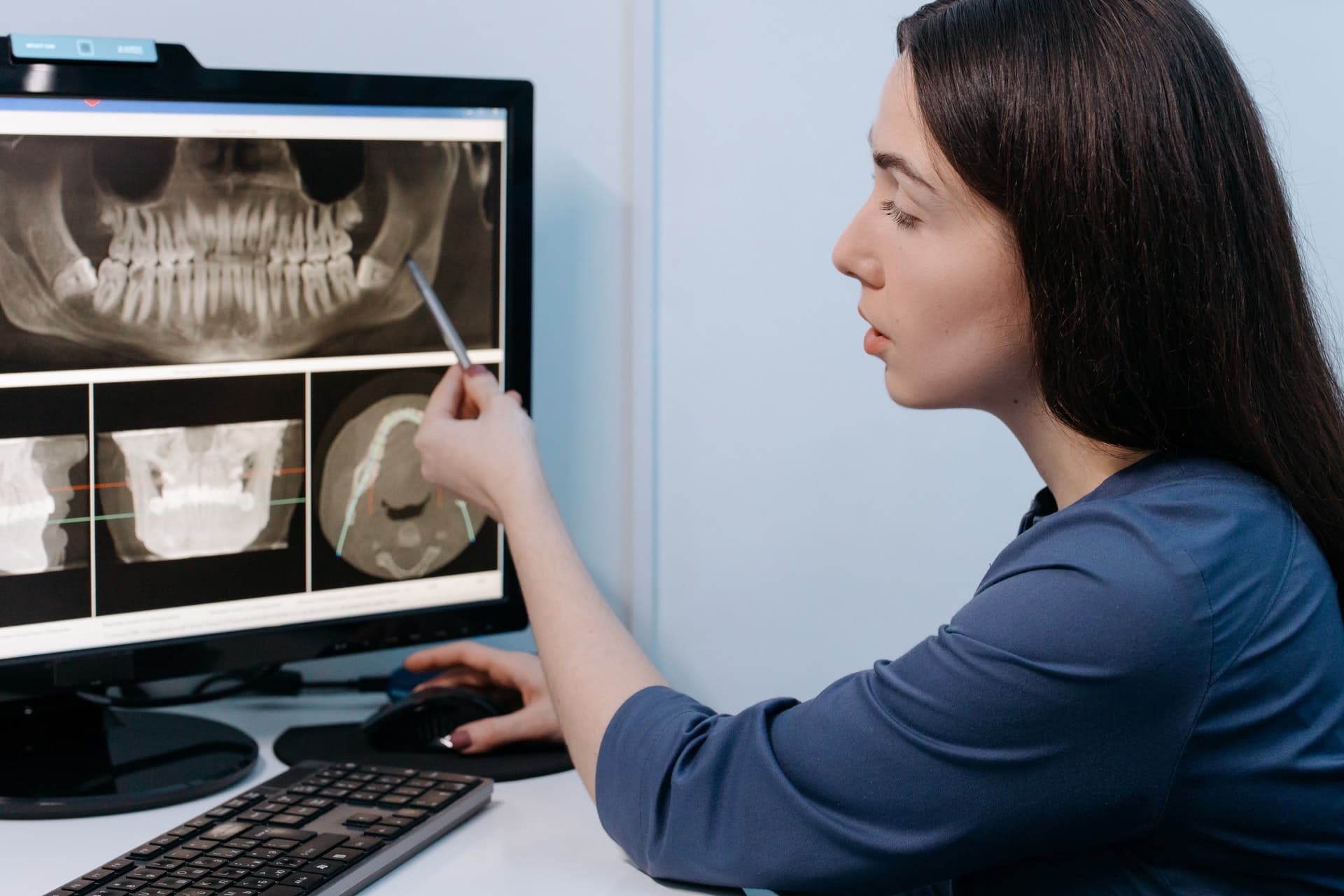
Your dentist examines the tooth, takes digital X-rays, and discusses whether a crown or bridge is the best solution. You will receive a clear treatment plan with cost estimates.
Tooth Preparation
The tooth (or teeth) is carefully reshaped to make room for the crown. Digital impressions are taken and sent to the dental laboratory where your custom restoration will be fabricated.
Temporary Restoration
A temporary crown or bridge is placed to protect the prepared tooth while your permanent restoration is being made — usually one to two weeks.
Fitting & Cementation
At your second visit, the temporary is removed and your permanent crown or bridge is checked for fit, colour, and bite alignment. Once everything is satisfactory, it is cemented securely into place.
Follow-Up Care
Your dentist will schedule follow-up as needed to check your bite and ensure the restoration is functioning well. Most patients adjust within a few days.
Modern Technology for Precise Results
At Orion Dental, we use digital X-rays and intraoral cameras for highly accurate diagnostics and impressions. This technology helps your crown or bridge fit closely and look natural.
Dealing with a damaged or missing tooth? Our team can help you find the right restoration. Schedule a consultation today.
Book a Crown & Bridge ConsultationHow Do I Care for My Crown or Bridge?
With proper care, crowns and bridges can last many years. To maintain your restorations:
- Brush twice daily, paying attention to the area where the crown meets the gum line
- Floss daily — for bridges, use a floss threader or interdental brush to clean under the pontic
- Avoid chewing on ice, hard candy, or other very hard objects
- Attend regular dental checkups so your dentist can monitor the condition of your restorations
- If you grind your teeth, use a night guard to protect your crowns and bridges
Watch for These Warning Signs
Contact our office promptly if you notice changes in your bite, persistent sensitivity, a loose or rocking crown, or a dark line at the gum line of an older crown. Early attention can often save a restoration that might otherwise need replacement.
How Do Crowns and Bridges Compare to Other Options?
When replacing missing teeth, you have several options. In addition to bridges, dental implants and dentures or partial dentures are alternatives worth discussing with your dentist. Each option has its own advantages, and the right choice depends on factors such as the number and location of missing teeth, the health of surrounding teeth, bone density, and your personal preferences.
Crown
Best for restoring a single damaged tooth. Covers and strengthens the existing tooth structure.
Bridge
Ideal for replacing one to three adjacent missing teeth using neighbouring teeth as anchors.
Dental Implant
A fixed, standalone replacement that preserves jawbone — does not require altering adjacent teeth.
Partial Denture
A removable option for replacing several missing teeth, suitable when implants or bridges are not feasible.
What Is Recovery Like After Getting a Crown or Bridge?
After your permanent crown or bridge is placed, it is normal to experience some mild sensitivity, particularly to hot and cold temperatures. This usually subsides within a few weeks as the tooth adjusts. If a temporary restoration is placed between appointments, take care to avoid sticky or hard foods on that side of your mouth, and brush gently around the area.
Once your permanent restoration is in place, you can eat and drink normally. However, it is advisable to avoid very hard or sticky foods that could damage the restoration. If you notice any changes in your bite, persistent discomfort, or if the crown or bridge feels loose, contact our Scarborough or Milton office promptly so your dentist can assess the situation.
How Do Crowns and Bridges Support Long-Term Oral Health?
Beyond restoring appearance, crowns and bridges play an important role in maintaining your overall oral health. A crown protects a weakened tooth from further fracture, which can prevent the need for more extensive treatment such as extraction down the road. By preserving damaged teeth rather than removing them, crowns help maintain the natural structure of your bite and jaw.
How Does a Bridge Help When a Tooth Is Missing?
A bridge fills the gap left by a missing tooth, helps keep adjacent teeth in their proper alignment, and distributes chewing forces more evenly. When a gap is left untreated, the surrounding teeth can gradually shift out of position, leading to bite problems, uneven wear, and difficulty cleaning between teeth.
For patients who may not be candidates for dental implants — whether due to bone density, health considerations, or personal preference — a bridge provides a fixed alternative for replacing missing teeth. Regular dental checkups help keep your crowns and bridges in good condition over the long term.
Insurance & Payment
Most dental insurance plans cover a portion of crown and bridge treatment. We accept most major insurance providers and submit claims electronically on your behalf. For patients without insurance, we are happy to discuss payment options. Contact us to verify your specific coverage.
Book Your Crown & Bridge Consultation at Orion Dental
At Orion Dental, we provide custom crowns and bridges designed to restore the function and appearance of your teeth. We use quality materials and take time to achieve a proper fit and natural look.
To learn more about dental crowns and bridges, book an appointment online or call our Scarborough office at 416-291-0306 or our Milton office at 905-636-9770.