
4.64 out of 5 · 295 Google reviews
4.64 / 5 · Google
295 reviews across Milton & Scarborough.
How Dental Implants Replace Missing Teeth
A dental implant is a small titanium post placed surgically into the jawbone to act as an artificial tooth root, with a custom crown attached once bone has grown around it. The full process usually spans 4 to 6 months, including 3 to 4 months of healing while the bone fuses to the post. Not everyone is a candidate — jawbone density, gum health, uncontrolled diabetes, and heavy smoking all affect eligibility.

Orion Dental Team
Led by Dr. Fahimay Naqvi
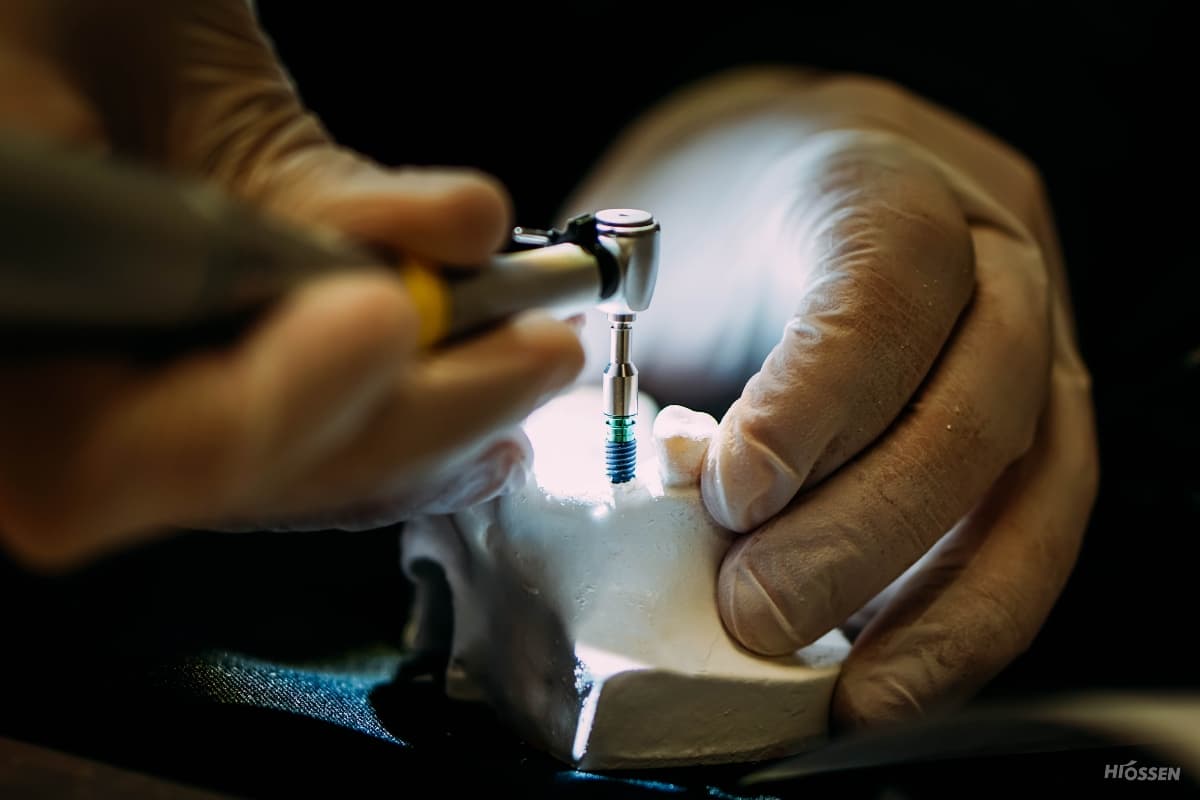
Losing a tooth — whether from decay, injury, or gum disease — is more than a cosmetic concern. A missing tooth sets off a chain reaction: adjacent teeth begin to shift, bone loss accelerates in the empty socket, your bite changes, and your risk of further tooth loss increases. Leaving a gap untreated can allow neighbouring teeth to shift and the jawbone to lose density over time.
At Orion Dental in Scarborough and Milton, we offer dental implants as one option for replacing missing teeth. This guide explains how implants work, what the process involves, and why they are considered the closest thing to a natural tooth.
Well-established
treatment option
Shifting
can follow an untreated gap
4–6 mo
typical treatment timeline
Long-term
potential implant lifespan
What Happens When You Leave a Gap
Many patients assume a single missing tooth — especially one that is not visible when smiling — is not worth addressing. However, the consequences of an untreated gap extend well beyond appearance. Your teeth function as a unit, and removing even one creates instability across the entire arch.
Consequences of Untreated Tooth Loss
- Adjacent teeth drift into the gap, creating misalignment and new gaps
- The opposing tooth may over-erupt without a partner to bite against
- Jawbone begins to resorb (shrink) at the extraction site within months
- Bite collapse can lead to TMJ pain, headaches, and jaw discomfort
- Facial structure changes over time as bone volume decreases
- Food impaction and plaque buildup increase around shifting teeth
- Risk of gum disease rises in areas that become harder to clean
Time Matters
Bone loss at an extraction site begins within the first few months. The longer you wait to replace a tooth, the more bone grafting may be needed before an implant can be placed. Early consultation gives you the most options.
What Are Dental Implants?
A dental implant is a small titanium post that is surgically placed into your jawbone to serve as an artificial tooth root. Titanium is biocompatible, meaning your body accepts it and bone naturally grows around it — a process called osseointegration. Once the implant has integrated with the bone, a custom-made crown is attached on top, giving you a replacement tooth that looks, feels, and functions like a natural one.
Unlike dentures or bridges, implants do not rely on neighbouring teeth for support. They stand independently, which means no healthy tooth structure needs to be altered to accommodate the restoration.
The Three Components of a Dental Implant
Implant Post (Titanium)
Surgically placed in the jawbone. Acts as an artificial root and fuses with bone through osseointegration over 3–4 months.
Abutment (Connector)
A small connector piece that attaches to the top of the implant post once healing is complete. It holds the final crown securely in place.
Crown (Prosthetic Tooth)
A custom-made porcelain or ceramic crown designed to match your natural teeth in colour, shape, and size. This is the visible part of the implant.
The Dental Implant Process: Step by Step
The implant journey at Orion Dental is carefully planned and typically takes place over several appointments spanning 4 to 6 months. Here is what each phase involves:
Consultation & Planning
X-rays, assessment, treatment plan
Implant Placement
Surgical insertion of titanium post
Osseointegration
3–4 months healing period
Crown Placement
Final restoration attached
1. Initial Consultation and Planning
Your dentist will take digital X-rays and assess your jawbone density, gum health, and overall oral condition. If bone volume is insufficient, a bone graft may be recommended before implant placement. A detailed treatment plan is created, including a timeline and cost estimate.
2. Implant Placement Surgery
Under local anaesthesia (with sedation options available), the titanium post is precisely placed into the jawbone. A temporary restoration may be provided so you are never without a tooth. Most patients return to normal activities within a day or two.
3. Osseointegration (Healing Phase)
Over the next 3 to 4 months, the implant fuses with your jawbone. This is the critical phase that gives the implant its exceptional stability. During this time, you will have follow-up appointments to monitor healing progress.
4. Crown Placement
Once osseointegration is confirmed, an abutment is attached and impressions are taken for your custom crown. The final crown is crafted to match the colour, shape, and size of your surrounding teeth. Once cemented or screwed into place, your implant is complete.
Missing a Tooth? Let's Talk Options.
A consultation gives you a clear picture of whether implants are right for you — with no obligation.
How Dental Implants Compare to Other Options
Dental implants are designed to closely replicate the function and appearance of a natural tooth. Here is how they compare with other tooth replacement options:
| Feature | Dental Implants | Bridges | Dentures |
|---|---|---|---|
| Preserves jawbone | Yes — stimulates bone | No | No — bone loss continues |
| Affects adjacent teeth | No | Yes — requires reshaping | May put pressure on teeth |
| Feels like natural tooth | Yes | Close | No — can slip or shift |
| Maintenance | Brush & floss normally | Special flossing needed | Remove & clean daily |
| Bone preservation | Excellent | Minimal | None |
Caring for Your Dental Implants
One of the greatest advantages of implants is that they require no special maintenance. You care for them the same way you care for your natural teeth:
Brush Twice Daily
Use a soft-bristle brush and fluoride toothpaste. Pay attention to the gum line around the implant crown.
Floss Every Day
Regular floss or a water flosser works well around implants. There are no special threading techniques required.
Regular Dental Visits
Continue with checkups every 6 months so your dentist can monitor the implant, crown, and surrounding tissue.
Avoid Harmful Habits
Do not use your teeth to open packages or chew on ice. While implant crowns are strong, they can chip like natural teeth.
Who Is a Candidate for Dental Implants?
Most adults with adequate jawbone density and good general health are candidates for dental implants. During your consultation, your dentist will evaluate several factors:
Candidacy Considerations
- Sufficient jawbone volume (bone grafting available if needed)
- Healthy gums free of active periodontal disease
- Non-smoker or willing to quit during the healing period
- No uncontrolled systemic conditions such as diabetes
- Commitment to good oral hygiene and follow-up appointments
- Realistic expectations about the timeline and outcome
Good to Know
Even if you have been told in the past that you are not a candidate, advances in bone grafting and implant technology mean that more patients qualify today than ever before. A current assessment is always worthwhile.
Take the First Step Toward a Complete Smile
If you are living with a missing tooth — or multiple missing teeth — dental implants can restore your ability to eat, speak, and smile with confidence. Our team at Orion Dental provides comprehensive implant services and implant restorations, from initial planning through to final crown placement.
Schedule a consultation at our Scarborough or Milton office. Book an appointment or call 416-291-0306 (Scarborough) / 905-636-9770 (Milton).
Frequently Asked Questions
Common questions about dental implants
How long do dental implants last?
With proper oral hygiene and regular dental checkups, dental implants may last many years. The implant post itself is made from biocompatible titanium that fuses with your jawbone. The crown on top may need replacement after 15 to 20 years due to normal wear. Individual results vary.
Is dental implant surgery painful?
The procedure is performed under local anaesthesia to numb the area, and we work to keep you comfortable during placement. Mild soreness for a few days afterward is common; your dentist will explain what to expect and how to manage any discomfort. Sedation options are also available for anxious patients.
Am I a candidate for dental implants?
Most adults with good general health are candidates. Your dentist will assess your jawbone density, gum health, and medical history. Conditions like uncontrolled diabetes or heavy smoking may affect eligibility, but bone grafting can often address insufficient bone volume.
How long does the dental implant process take?
The full process typically takes 4 to 6 months from implant placement to final crown. This includes a healing period of 3 to 4 months for osseointegration — the process where the implant fuses with your jawbone.
What happens if a missing tooth is not replaced?
Leaving a gap can lead to adjacent teeth shifting, bone loss in the jaw, bite misalignment, difficulty chewing, and increased risk of gum disease. Over time, an untreated gap can put neighbouring teeth at risk as well.
Are dental implants covered by insurance?
Coverage varies by plan. Many dental insurance plans cover a portion of implant treatment. Our team can help you understand your benefits and offer flexible payment options to make treatment accessible.
Related Articles
Continue reading about dental health
Dental Implants vs Bridges: Making the Right Choice
Compare implants and bridges side by side to understand which tooth replacement option suits your needs.
Read moreTreatment Options for Cracked or Broken Teeth
From bonding to crowns — learn how your dentist restores damaged teeth before extraction becomes necessary.
Read more