
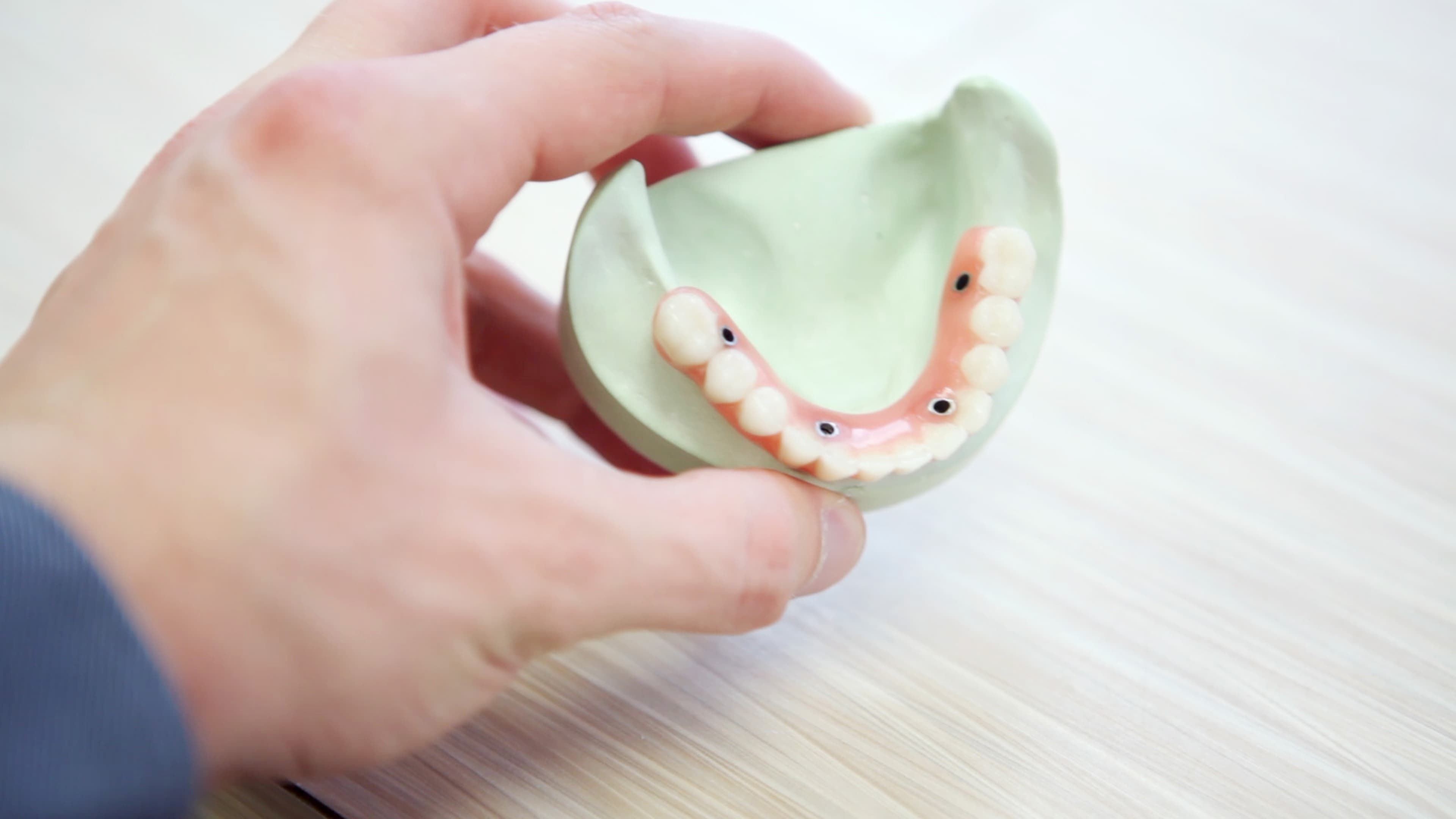
What Is Bruxism?
Bruxism is a condition characterized by the involuntary grinding, clenching, or gnashing of the teeth. While occasional teeth grinding may not cause significant harm, chronic bruxism can lead to a range of dental and health problems if left untreated. The condition can occur during the day, often triggered by stress or concentration, or during sleep, when you may be completely unaware of it.
At Orion Dental, our dental team looks for the signs of bruxism and offers options to help protect your teeth and relieve your symptoms. Whether you visit our Scarborough or Milton office, we can help you understand your condition and develop a plan to manage it.
Common
Among adults
Strong
Force during clenching
Years
Typical lifespan with care
2
Visits to get fitted
What Are the Signs and Symptoms of Bruxism?
Many people who grind their teeth are unaware of the habit, particularly if it occurs during sleep. Bruxism often reveals itself through a cluster of symptoms that become more pronounced over time. Recognizing these warning signs early is the best way to prevent lasting damage.
Worn or Flattened Teeth
Grinding gradually erodes tooth enamel, leaving biting surfaces flat, dull, or visibly shorter than they once were.
Jaw Pain & TMJ Dysfunction
Excessive muscle activity strains the temporomandibular joint, causing clicking, popping, stiffness, or chronic jaw ache.
Morning Headaches
Hours of nighttime clenching tires the jaw muscles and often triggers tension headaches — especially around the temples — upon waking.
Tooth Sensitivity
As enamel wears thin, the sensitive dentin beneath becomes exposed, making teeth react sharply to hot, cold, or sweet foods and drinks.
Chipped or Cracked Teeth
The repetitive high-force contact of grinding can fracture tooth structure, leading to chips, cracks, or broken cusps that require restoration.
Sleep Disruption
Audible grinding sounds can disturb your partner, while the associated discomfort and micro-arousals can fragment your own sleep quality.
When to Seek Help Right Away
Contact Orion Dental promptly if you notice a cracked or broken tooth, sudden worsening of jaw pain, or difficulty opening and closing your mouth fully. These may indicate that bruxism has already caused structural damage requiring treatment beyond a night guard alone.
If you experience any of these symptoms, we recommend scheduling an appointment at Orion Dental for a thorough evaluation. During your dental checkup, your dentist will examine your teeth, jaw, and bite for signs of bruxism and discuss the most appropriate treatment options.
What Causes Teeth Grinding?
Bruxism can result from a combination of physical, psychological, and lifestyle factors. Understanding the underlying causes can help guide treatment and management strategies.
Stress and Anxiety
Emotional stress and anxiety are among the most common triggers for both daytime and nighttime bruxism. When you are under stress, you may unconsciously clench your jaw or grind your teeth as a physical response to tension. Managing stress through relaxation techniques, exercise, counselling, or other healthy coping strategies can help reduce the severity of bruxism.
Sleep Disorders
Sleep bruxism is often associated with other sleep disorders, including obstructive sleep apnoea, snoring, and restless leg syndrome. If your dentist suspects a sleep disorder may be contributing to your bruxism, they may recommend a sleep study or referral to a sleep medicine professional for further evaluation.
Bite and Alignment Issues
An uneven bite, missing teeth, or misaligned teeth can create an imbalance in the way your jaw muscles function, potentially contributing to bruxism. Addressing these issues through dental treatment, such as orthodontic treatment or restorative work, may help reduce grinding.
Lifestyle Factors
Certain lifestyle habits have been linked to an increased risk of bruxism, including excessive caffeine or alcohol consumption, tobacco use, and the use of certain medications such as antidepressants. Your dentist may discuss these factors with you and suggest modifications that could help.
What Happens If Bruxism Is Left Untreated?
If bruxism is not addressed, the ongoing forces of grinding and clenching can cause significant damage over time:
- Excessive wear of tooth enamel, exposing the softer dentin underneath
- Tooth fractures and chips that may require dental crowns or other restorations
- Loosening of teeth due to damage to the supporting structures
- Worsening of existing gum disease due to excess pressure on the periodontal tissues
- Damage to existing dental restorations, including fillings, crowns, and bridges
- TMJ (temporomandibular joint) disorders, causing chronic jaw pain and dysfunction
- Chronic headaches, facial pain, and neck tension
In severe cases, long-term bruxism can result in extensive damage that requires full mouth reconstruction to restore proper function and aesthetics.
How Does a Night Guard Help?
A custom night guard is a well-established and conservative treatment for sleep bruxism. This dental appliance is designed to be worn while you sleep, creating a protective barrier between your upper and lower teeth. The guard absorbs and distributes the forces of grinding, preventing direct tooth-on-tooth contact and reducing the strain on your jaw muscles and joints.
Custom Night Guard vs. Store-Bought
Store-bought guards use generic one-size-fits-most moulds. They tend to be bulky, shift during sleep, and can actually increase jaw muscle tension — the opposite of what you need. Some patients find them so uncomfortable they stop using them within days.
Custom guards from Orion Dental are fabricated from precise impressions or digital scans of your own teeth, so they seat closely, are less likely to shift overnight, and are trimmed to a thickness chosen for your grinding pattern. The result is a guard designed for comfortable nightly wear, which many patients use for several years.
How Is a Custom Night Guard Made?
The process is straightforward and typically completed in just two appointments. Here is what happens at each stage:
Examination & Diagnosis
Your dentist examines your teeth, jaw muscles, and bite for wear patterns, muscle tenderness, and TMJ signs. We will discuss your symptoms, sleep habits, and any contributing lifestyle factors to confirm a bruxism diagnosis and determine the best guard design for your situation.
Impressions or Digital Scan
Detailed impressions or a chairside digital scan of your teeth are taken and sent to our dental laboratory. These precise records allow your guard to be shaped to the contours of your dentition — nothing generic, nothing approximate.
Custom Fabrication
The lab crafts your guard from durable, medical-grade material in the appropriate thickness and hardness for your grinding severity. Typical turnaround is one to two weeks.
Fitting & Adjustment
You return to try in the finished guard. Your dentist checks the fit, bite, and comfort, making any chairside adjustments needed so the guard seats securely and does not alter your bite. You leave with care instructions and the confidence that your teeth are protected.
Think you might be grinding your teeth? A quick exam at Orion Dental can help identify whether you are grinding, and we can discuss options with you.
Book a Bruxism EvaluationHow Do You Care for a Night Guard?
Proper care of your night guard supports its longevity and effectiveness:
- Rinse your night guard with cool water each morning after use
- Clean it daily with a soft toothbrush and mild soap or a non-abrasive denture cleaner
- Allow the guard to air dry completely before storing it in its ventilated case
- Avoid exposing the guard to hot water or direct sunlight, which can cause warping
- Bring your night guard to your regular dental appointments so your dentist can check it for wear
- Replace the guard when your dentist recommends, typically when it shows significant signs of wear
Additional Management Strategies
While a custom night guard protects your teeth from the physical effects of grinding, addressing the underlying causes of bruxism can help reduce the frequency and intensity of the habit. Your dentist at Orion Dental may suggest:
- Stress management techniques such as mindfulness, meditation, or physical exercise
- Avoiding stimulants such as caffeine and alcohol in the evening
- Jaw relaxation exercises and gentle stretching of the jaw muscles
- Being mindful of daytime clenching and consciously relaxing the jaw when noticed
- Evaluation for sleep disorders if nocturnal grinding is particularly severe
Bruxism Treatment at Orion Dental
At Orion Dental, we understand the impact that bruxism can have on your dental health, comfort, and quality of life. Our dental team provides thorough evaluations and custom night guard fabrication at both our Scarborough and Milton locations. We take the time to understand your symptoms, identify contributing factors, and develop a management plan that works for you.
If you suspect you may be grinding your teeth, or if you are experiencing jaw pain, headaches, or tooth wear, we encourage you to book an appointment for an evaluation. You can also call our Scarborough office at 416-291-0306 or our Milton office at 905-636-9770. Addressing bruxism early can help prevent more extensive dental problems and improve your overall comfort.