
4.64 out of 5 · 295 Google reviews
4.64 / 5 · Google
295 reviews across Milton & Scarborough.
Are Dental Implants Safe? What You Need to Know
Dental implants are considered safe: they have been in clinical use for more than 40 years, and their track record has been documented extensively over that time. The post is medical-grade titanium, which is biocompatible and fuses with the jawbone over 3 to 6 months. No surgery is without risk, though — infection, nerve damage, sinus problems with upper-jaw implants and implant failure are uncommon but possible, and smoking or uncontrolled diabetes raises those risks.

Orion Dental Team
Led by Dr. Fahimay Naqvi
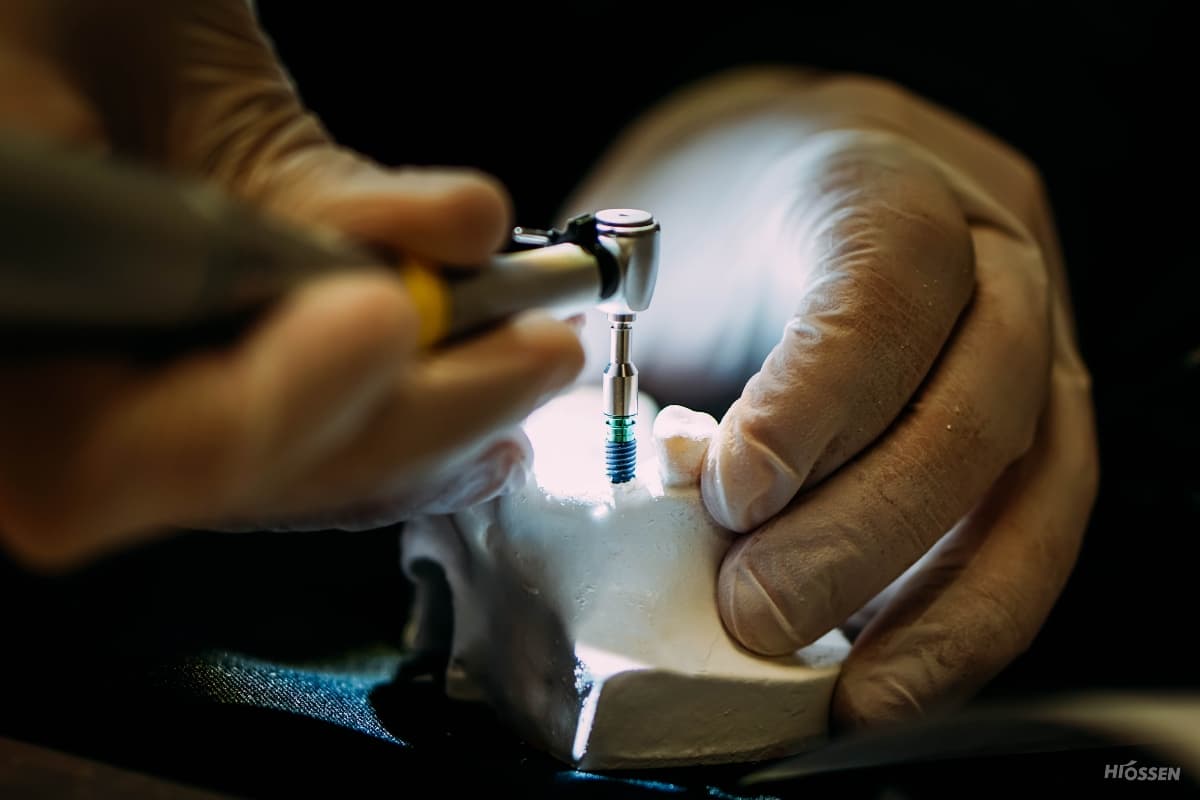
If you're missing one or more teeth and considering dental implants, safety is understandably one of your first concerns. The good news is that dental implants have been used successfully for over 40 years and are backed by extensive clinical research. They are a well-documented procedure with a long history of clinical use.
That said, no surgical procedure is entirely without risk. At Orion Dental in Scarborough and Milton, we believe in giving patients complete, transparent information so you can make a confident, informed decision. This article covers the safety profile of dental implants, potential risks, and how proper planning minimises complications.
Well-established
treatment option
40+ yrs
of clinical evidence
5–7 days
typical recovery
Titanium
biocompatible material
The Safety Record of Dental Implants
Dental implants have been the subject of extensive clinical study over the past four decades. The procedure was pioneered in the 1960s by Swedish orthopaedic surgeon Per-Ingvar Branemark, who discovered that titanium fuses naturally with bone tissue — a process called osseointegration. Since then, implant technology, materials, and techniques have continued to advance.
Modern dental implants are made from medical-grade titanium or titanium alloys, which are biocompatible — meaning the body accepts them without triggering an immune response. Some newer implants use zirconia (ceramic), which offers a metal-free alternative for patients with specific sensitivities or preferences.
A Well-Established Procedure
Dental implants have been studied and documented extensively in the dental literature. They are considered a predictable treatment option when they are properly planned and placed in suitable candidates, though outcomes still vary from person to person.
Potential Risks and Complications
While dental implants have a strong safety profile, it is important to understand the potential risks associated with the procedure. Complications are uncommon but can include:
Possible Complications
- Infection at the implant site — typically prevented with antibiotics and proper aftercare
- Nerve damage — rare, but can cause numbness or tingling in the chin, lips, or gums
- Sinus issues — for upper jaw implants that protrude into the sinus cavity
- Implant failure (lack of osseointegration) — the implant does not fuse properly with the bone
- Peri-implantitis — inflammation of the tissue around the implant, similar to gum disease
- Damage to surrounding structures — teeth, blood vessels, or bone in rare cases
Many of these complications are preventable or manageable with thorough pre-operative planning, proper surgical technique, and diligent post-operative care. Your dentist will review your individual risk factors and discuss how to minimise them before proceeding.
Factors That Affect Implant Safety and Success
Not every patient carries the same level of risk. Several factors influence both the safety and the long-term success of dental implants:
| Factor | Lower Risk | Higher Risk |
|---|---|---|
| Smoking Status | Non-smoker | Active smoker (impaired healing) |
| Oral Hygiene | Excellent daily care | Poor brushing/flossing habits |
| Gum Health | No active gum disease | Untreated periodontal disease |
| Bone Density | Adequate jawbone volume | Significant bone loss (may need grafting) |
| Diabetes | Well-controlled, as confirmed with your physician | Uncontrolled diabetes |
| Medications | None affecting bone metabolism | Bisphosphonates, immunosuppressants |
| Age | Fully developed jaw | Still growing (implants not placed in children) |
Your dentist will evaluate these factors during your initial consultation using digital X-rays, a thorough clinical exam, and a review of your medical history. This assessment is critical for developing a safe, personalised treatment plan.
How Proper Planning Ensures Safety
The safety of dental implant surgery is directly linked to the quality of pre-operative planning. Before any implant is placed, your dentist conducts a comprehensive evaluation:
The Pre-Surgical Planning Process
Medical History Review
Your dentist reviews your complete medical history, current medications, and any conditions that may affect healing or bone integration.
Digital Imaging
Digital X-rays and potentially a CBCT (cone beam CT) scan provide a detailed 3D view of your jawbone, nerves, and sinus cavities.
Bone Assessment
Your dentist evaluates bone density and volume. If bone grafting is needed to create a solid foundation, this is planned before implant placement.
Gum Health Evaluation
Active gum disease must be treated before implant surgery. Healthy gums are essential for long-term implant success.
Treatment Plan Design
Using all collected data, your dentist designs a precise surgical plan — including implant size, position, angle, and depth.
The Role of Technology
Modern dental technology plays a significant role in implant safety. Digital X-rays expose you to less radiation than traditional film. CBCT scans allow your dentist to visualise the jawbone in three dimensions, identifying nerve pathways and bone quality with precision. Computer-guided implant placement can further enhance accuracy.
Have Questions About Dental Implants?
Book a consultation to discuss your options and get personalised answers.
What Happens During Implant Surgery
Understanding what happens during the procedure can help ease anxiety. Dental implant surgery is typically performed under local anesthesia, meaning you are awake but the surgical area is completely numb. For patients with dental anxiety, sedation options may be available.
The procedure itself typically takes one to two hours per implant. Your dentist makes a small incision in the gum tissue, creates a precise channel in the jawbone using specialised drills, and places the titanium implant post. The gum tissue is then closed, and the healing process begins.
Stages of the Implant Process
Tooth Extraction (if needed)
If the damaged tooth is still present, it is removed. In some cases, an implant can be placed immediately; in others, healing time is needed.
Bone Grafting (if needed)
If the jawbone lacks sufficient volume or density, bone graft material is placed and allowed to integrate over several months before implant placement.
Implant Placement
The titanium post is surgically inserted into the jawbone. A healing cap or temporary crown may be placed to protect the site.
Osseointegration
Over 3 to 6 months, the implant fuses with the jawbone. This creates the strong, stable foundation that makes implants so durable.
Abutment Placement
A small connector piece (abutment) is attached to the implant post. This serves as the base for the final restoration.
Crown Placement
A custom-made crown, matched to your natural teeth in colour and shape, is secured to the abutment. Your restoration is complete.
Recovery and Aftercare
Most patients are surprised by how manageable the recovery is. Common experiences in the first few days include:
Normal Post-Surgical Symptoms
- Mild to moderate swelling around the implant site (peaks at 48–72 hours)
- Minor bruising on the cheeks or gums
- Temporary discomfort; your dentist will explain how to manage it
- Slight bleeding at the surgical site for the first 24 hours
Most patients return to their normal routine within 5 to 7 days. To support optimal healing, your dentist will provide specific aftercare instructions:
Post-Surgery Care Guidelines
- Eat soft, nutrient-rich foods for the first week (yoghurt, soups, smoothies, scrambled eggs)
- Avoid smoking — it significantly impairs healing and increases the risk of failure
- Do not drink through a straw for the first few days (suction can disrupt the surgical site)
- Rinse gently with warm salt water after 24 hours to keep the area clean
- Avoid hard, crunchy, sticky, or spicy foods until your dentist clears you
- Take any prescribed medication as directed by your dentist
- Rest and avoid strenuous exercise for 48–72 hours post-surgery
Long-Term Safety and Maintenance
Once an implant has successfully integrated, it is designed to be a long-term option. The titanium post may last many years, though this varies from person to person. The crown on top may need replacing at some point because of normal wear.
The key to long-term implant safety is ongoing oral hygiene and regular dental visits. Although the implant crown cannot develop cavities, the surrounding gum tissue is susceptible to peri-implantitis — a condition similar to gum disease that can threaten implant stability if left untreated. Regular dental checkups and cleanings allow your dentist to monitor the health of your implant and surrounding tissues.
Protecting Your Implant Long-Term
Treat your implant the same way you would a natural tooth: brush twice daily, floss around the implant, and keep your regular dental appointments. If you clench or grind your teeth at night, a custom night guard can help protect both your implant and your natural teeth from excessive force.
Making an Informed Decision
Dental implants have a well-established safety record built up over decades of clinical use. While no surgical procedure is without risk, complications are uncommon when treatment is carefully planned. Thorough planning, proper technique, and diligent aftercare all contribute to a positive outcome.
At Orion Dental, we provide comprehensive dental implant consultations and implant restorations. We take the time to assess your individual situation, explain the process, and answer all your questions before any treatment begins.
Schedule an implant consultation at our Scarborough or Milton office. Book an appointment or call 416-291-0306 (Scarborough) / 905-636-9770 (Milton).
Frequently Asked Questions
Common questions about dental implant safety
What is the success rate of dental implants?
Dental implants are a well-documented treatment with a long clinical track record. Whether an implant succeeds depends on factors including the patient's overall health, oral hygiene, bone quality, and the location of the implant in the jaw, so outcomes vary from person to person.
What are the risks of dental implant surgery?
As with any surgical procedure, there are potential risks including infection, nerve damage, sinus issues (for upper jaw implants), and implant failure. These complications are uncommon and can often be prevented or managed with proper planning and post-operative care.
How long does it take to recover from implant surgery?
Most patients return to normal activities within a few days. Initial swelling and discomfort typically resolve within 5 to 7 days. Full osseointegration (bone fusion with the implant) takes 3 to 6 months before the permanent restoration is placed.
Can smokers get dental implants?
Smoking significantly increases the risk of implant failure because it restricts blood flow and impairs healing. Many dentists strongly recommend quitting smoking before and during the healing period. Your dentist will discuss this with you during your consultation.
Are dental implants safe for people with diabetes?
Patients with well-controlled diabetes can typically receive dental implants safely. Uncontrolled diabetes increases the risk of infection and delayed healing. Your dentist and physician will work together to ensure your blood sugar is well-managed before proceeding.
What happens if a dental implant fails?
Implant failure is uncommon but can occur. If an implant does not integrate properly with the bone, it may become loose and need to be removed. In many cases, the area can heal and a new implant can be placed after a waiting period. Your dentist will monitor integration throughout the process.
Related Articles
Continue reading about dental implants and oral health
11 Benefits of Dental Implants
Discover the functional and aesthetic benefits that make dental implants a popular tooth replacement choice.
Read moreWhat Is a Root Canal? A Complete Guide
Sometimes saving a natural tooth is the better option. Learn how root canal therapy works.
Read moreUnderstanding the 4 Stages of Gum Disease
Healthy gums are a prerequisite for implant success. Understand gum disease and how to prevent it.
Read more