
4.64 out of 5 · 295 Google reviews
4.64 / 5 · Google
295 reviews across Milton & Scarborough.
Common Baby Teeth Problems Parents Should Know
Common baby teeth problems are tooth decay, malocclusion and shark teeth. Decay progresses quickly because baby enamel is thinner than adult enamel, and baby bottle tooth decay occurs when milk, formula or juice pools around the upper front teeth overnight. Malocclusion can follow prolonged thumb-sucking or the early loss of a baby tooth, while shark teeth — permanent teeth erupting behind baby teeth between ages six and twelve — usually resolve on their own but should still be monitored.

Orion Dental Team
Led by Dr. Fahimay Naqvi
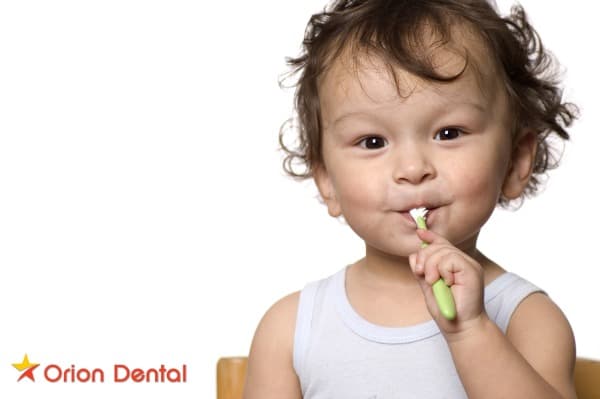
One of the most common misconceptions in paediatric dentistry is that baby teeth don't really matter because they eventually fall out. In reality, primary teeth play a critical role in your child's oral development. They serve as space holders for permanent teeth, guide jaw growth, and help children learn to chew and speak properly.
At Orion Dental in Scarborough and Milton, our children's dentistry team sees these issues every day. Understanding the most common baby teeth problems — and recognising them early — can save your child from unnecessary pain, costly treatments, and long-term dental complications.
20
baby teeth in total
6 mo
first tooth appears
Common
cavities in young children
Age 6–12
transition to adult teeth
Teething Troubles: What to Expect Early On
Teething is the very first dental milestone, and it can start as early as three months of age — though most babies get their first tooth between four and seven months. The lower front teeth typically appear first, followed by the upper front teeth and, eventually, the molars further back.
Common signs of teething include excessive drooling, irritability, swollen gums, and a strong urge to chew on objects. Some children develop a mild fever or disrupted sleep, though high fevers should always be evaluated by a physician. While teething itself is a normal developmental process, it's the ideal time to begin oral hygiene habits — gently wiping gums with a soft, damp cloth after each feeding helps remove bacteria before teeth even emerge.
Teething Comfort Tips
- Offer a clean, chilled (not frozen) teething ring or damp washcloth
- Gently massage swollen gums with a clean finger
- Avoid teething gels containing benzocaine for children under two
- Never dip pacifiers in honey or sugar water
Tooth Decay in Baby Teeth
Tooth decay is the single most common chronic childhood disease in Canada — more prevalent than asthma. It occurs when bacteria in the mouth feed on sugars from food and drinks, producing acids that erode tooth enamel. Because baby teeth have thinner enamel than permanent teeth, cavities can develop and progress faster in young children.
Left untreated, a cavity in a baby tooth doesn't just cause pain. It can lead to infection, difficulty eating, speech delays, and damage to developing permanent teeth sitting directly beneath the gums. In severe cases, the infection can spread beyond the tooth, requiring emergency treatment.
Watch Out for Baby Bottle Tooth Decay
One of the most preventable forms of childhood tooth decay is baby bottle tooth decay. It happens when a child falls asleep with a bottle containing milk, formula, or juice. The sugary liquid pools around the upper front teeth for hours, creating the perfect environment for bacteria to thrive. To prevent this, never put your child to bed with a bottle — and if a bottle is needed for comfort, fill it with water only.
Signs of Decay to Watch For
Warning Signs
- White spots or chalky areas on tooth surfaces (early enamel breakdown)
- Brown or black discolouration on teeth
- Sensitivity to hot, cold, or sweet foods
- Visible holes or pitting in the tooth surface
- Swelling or redness around a specific tooth
- Reluctance to eat or complaints of pain while chewing
Prevention: Brush your child's teeth twice daily with fluoride toothpaste (a rice-grain-sized amount for children under three, a pea-sized amount for ages three to six). Limit sugary snacks and drinks, avoid bedtime bottles, and schedule regular dental checkups so your dentist can catch early signs of decay before they become painful.
Worried About Your Child's Teeth?
Early detection makes all the difference. Book a children's dental checkup today.
Malocclusion: Crowding and Misalignment
Malocclusion refers to misalignment of the teeth or an incorrect relationship between the upper and lower dental arches. In children, early signs can appear as crowded, overlapping, or spaced-out baby teeth. While some spacing in baby teeth is actually normal (and desirable — it provides room for larger permanent teeth), significant crowding or bite issues may signal the need for early orthodontic evaluation.
Common causes of malocclusion in young children include prolonged thumb-sucking, extended pacifier use past age two, mouth breathing, and genetics. If a baby tooth is lost prematurely due to decay or trauma, the surrounding teeth can drift into the gap, blocking the permanent tooth from erupting in the correct position.
| Type | What It Looks Like | Common Cause | When to Act |
|---|---|---|---|
| Crowding | Overlapping or rotated teeth | Small jaw, genetics | By age 7 for assessment |
| Open Bite | Front teeth don't meet when mouth is closed | Thumb-sucking, pacifier use | After habit stops; monitor |
| Crossbite | Upper teeth sit inside lower teeth | Genetics, jaw asymmetry | Early intervention recommended |
| Overbite | Upper front teeth overlap lower teeth excessively | Genetics, oral habits | Orthodontic assessment by age 7 |
Shark Teeth: When Permanent Teeth Grow Behind Baby Teeth
Between the ages of six and twelve, children begin losing their baby teeth as permanent teeth push through. Occasionally, a permanent tooth erupts behind the baby tooth before it has fallen out, creating a temporary “double row” of teeth that parents often find alarming. This condition is informally called “shark teeth.”
In most cases, shark teeth resolve on their own. As the permanent tooth continues to move forward, the root of the baby tooth resorbs and the baby tooth loosens and falls out naturally. However, if the baby tooth remains firmly in place for more than a few months, your dentist may recommend gentle extraction to allow the permanent tooth to shift into its correct position.
When to See the Dentist About Shark Teeth
If your child has a permanent tooth growing behind a baby tooth, there's usually no need to panic. Schedule a visit with your dentist so they can assess the situation. In most cases, they'll recommend monitoring — but if the baby tooth shows no signs of loosening after two to three months, a simple extraction may be the best course of action.
Dental Trauma: Chips, Cracks, and Knocked-Out Teeth
Young children are constantly exploring, running, and testing boundaries — which means dental injuries are surprisingly common in the toddler and preschool years. Falls, sports activities, and playground accidents can result in chipped, cracked, loosened, or completely knocked-out baby teeth.
A knocked-out or severely damaged baby tooth can affect the developing permanent tooth underneath. If the trauma pushes the baby tooth into the gum, it may physically interfere with the permanent tooth bud, potentially causing discolouration, malformation, or delayed eruptionof the adult tooth. This is why any dental injury in a young child warrants a prompt dental evaluation — even if the tooth “looks fine” on the surface.
What to Do After a Dental Injury
Injury Occurs
Stay calm. Check for loose teeth, bleeding, or visible damage to the mouth.
Manage Bleeding
Apply gentle pressure with a clean cloth. Use a cold compress on the outside of the cheek to reduce swelling.
Assess the Tooth
If the tooth is chipped or loose, save any fragments and avoid wiggling it. Do NOT re-implant a knocked-out baby tooth.
Call Your Dentist
Contact Orion Dental promptly. We can advise on urgency and schedule a same-day evaluation when needed.
How to Protect Your Child's Baby Teeth
Prevention is always the best approach. These habits form the foundation of strong, healthy baby teeth and a smooth transition to permanent teeth:
Start Cleaning Early
Wipe gums with a damp cloth from birth, and begin brushing with a soft toothbrush as soon as the first tooth appears.
Use Fluoride Toothpaste
A rice-grain amount for under-threes, a pea-sized amount for ages three to six. Fluoride strengthens developing enamel.
Limit Sugar Exposure
Frequent snacking on sugary foods and drinks feeds cavity-causing bacteria. Offer water between meals instead of juice.
Schedule Regular Checkups
Visit your dentist every six months starting from the first tooth or first birthday — whichever comes first.
Consider Dental Sealants
Sealants provide an extra layer of protection on molars, where cavities are most likely to form in children.
Address Oral Habits Early
Prolonged thumb-sucking or pacifier use past age two can affect bite development. Talk to your dentist about strategies to help your child stop.
Give Your Child's Smile a Healthy Start
Baby teeth problems are common, but they don't have to lead to bigger issues. With regular dental visits, good home care, and early intervention when something looks off, your child can enjoy a healthy smile from their very first tooth through their adult years. Our children's dentistry team at Orion Dental is here to help at every stage.
Book a children's dental checkup at our Scarborough or Milton office. Book an appointment or call 416-291-0306 (Scarborough) / 905-636-9770 (Milton).
Frequently Asked Questions
Common questions about baby teeth problems
Why do baby teeth matter if they fall out anyway?
Baby teeth serve as space holders for permanent teeth, guide jaw development, and help children chew and speak properly. Losing a baby tooth too early can lead to crowding, misalignment, and complications when adult teeth come in.
What is baby bottle tooth decay?
Baby bottle tooth decay occurs when a child falls asleep with a bottle containing milk, formula, or juice. The sugary liquid pools around the teeth for extended periods, feeding bacteria that produce acids and erode enamel — often affecting the upper front teeth first.
What are shark teeth in children?
Shark teeth is a term used when permanent teeth begin growing in behind the baby teeth before they fall out, creating a double row of teeth. This is quite common between ages 6 and 12 and usually resolves on its own, though your dentist should monitor the situation.
When should my child first see a dentist?
The Canadian Dental Association recommends scheduling your child's first dental visit within six months of their first tooth appearing, or by their first birthday — whichever comes first. Early visits help establish a baseline and catch potential issues.
Can cavities in baby teeth affect permanent teeth?
Yes. Untreated cavities in baby teeth can cause infection that spreads to the developing permanent teeth underneath. Severe decay can also lead to premature tooth loss, which may cause spacing and alignment problems for adult teeth.
How can I prevent tooth decay in my toddler?
Wipe your baby's gums after feedings, brush emerging teeth with a soft-bristled toothbrush and a rice-grain-sized amount of fluoride toothpaste, avoid putting your child to bed with a bottle, limit sugary snacks and drinks, and schedule regular dental checkups.
Related Articles
Continue reading about children's dental health