
4.64 out of 5 · 295 Google reviews
4.64 / 5 · Google
295 reviews across Milton & Scarborough.
Common Causes of Tooth Discolouration
Tooth discolouration comes in two forms. Extrinsic stains sit on the enamel surface and are deposited by pigmented, tannin-rich items such as coffee, tea, red wine and tobacco; professional cleaning and whitening can often lift them. Intrinsic discolouration comes from inside the tooth — genetics, enamel thinning with age, certain medications, fluorosis or trauma — and it responds less predictably to whitening, so a cosmetic option such as veneers or bonding may be discussed instead.

Orion Dental Team
Led by Dr. Fahimay Naqvi
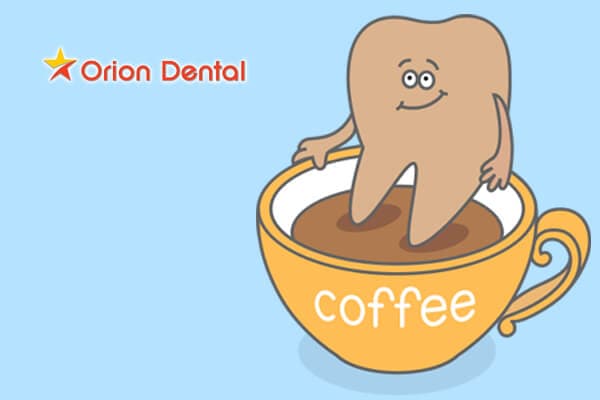
Have you noticed your teeth losing their brightness over time? You are not alone — and brushing more vigorously is not the answer. Tooth discolouration has many causes, some within your control and others determined by biology. Understanding the difference between extrinsic (surface) and intrinsic (internal) staining is essential for choosing the right treatment.
At Orion Dental in Scarborough and Milton, we help patients identify the cause of their discolouration and recommend appropriate treatments — from professional whitening to veneers and bonding.
2 types
extrinsic vs intrinsic stains
Gradual
natural yellowing with age
3 mo
toothbrush replacement cycle
1 hr
in-office whitening session
Two Types of Tooth Staining
Before exploring specific causes, it helps to understand the two broad categories of discolouration:
| Type | Location | Common Causes | Treatability |
|---|---|---|---|
| Extrinsic (surface) | On the outer enamel | Food, drinks, tobacco, plaque | Usually removable with cleaning or whitening |
| Intrinsic (internal) | Within the tooth structure | Genetics, medications, trauma, aging | May require veneers, bonding, or crowns |
Extrinsic stains sit on the surface of your enamel. They are caused by pigmented substances that adhere to the tooth surface over time. These stains are typically the easiest to address — professional cleaning and whitening can often restore brightness effectively.
Intrinsic stains occur within the tooth itself, often at the dentin level beneath the enamel. These are caused by factors like medications taken during tooth development, trauma to a tooth, or the natural aging process. Intrinsic discolouration is more challenging to treat and may require cosmetic solutions beyond whitening alone.
Genetics and Natural Tooth Colour
Your genetic makeup plays a significant role in the natural shade of your teeth. The formation of your enamel — including its thickness, translucency, and the size of its pores — is largely determined by your DNA. Enamel is naturally porous, and the size of those pores affects how easily your teeth absorb staining compounds from food and drink.
Some people are born with thicker, whiter enamel that resists staining naturally. Others have thinner enamel that allows the yellowish dentin underneath to show through more prominently. This is why two people with identical dietary habits can have noticeably different tooth shades. While you cannot change your genetics, understanding your natural baseline helps set realistic expectations for whitening treatments.
What You Can Control
Even if your genetics predispose you to slightly darker enamel, extrinsic staining from diet and habits is within your control. Professional whitening can often brighten teeth by several shades regardless of your genetic starting point.
How Your Diet Affects Tooth Colour
Your daily food and beverage choices have a direct and cumulative impacton the colour of your teeth. Certain substances contain chromogens — intensely pigmented molecules that bond to tooth enamel — as well as tannins that enhance the chromogens' ability to stick.
Common Staining Culprits
- Coffee and espresso — daily consumption is the most common cause of extrinsic staining
- Black tea — contains tannins that enhance staining even more than coffee
- Red wine — a potent combination of chromogens, tannins, and acidity
- Cola-based soft drinks — both the colour and acidity contribute to staining
- Dark berries — blueberries, blackberries, and pomegranates
- Tomato-based sauces — the deep red pigment and acidity combine to stain enamel
- Balsamic vinegar — dark colour and high acidity
- Soy sauce — intensely pigmented and acidic
While solid foods certainly contribute, beverages tend to be the primary culprits because of how frequently they come into contact with teeth throughout the day. A cup of morning coffee followed by afternoon tea creates hours of exposure to staining compounds.
The acidity of certain foods and drinks also plays a role — acidic substances temporarily soften enamel, making it more porous and susceptible to absorbing pigments. This is why the combination of acid and colour (as in red wine or cola) is particularly potent.
The Role of Aging
Even with impeccable oral hygiene, teeth naturally darken with age. There are two key reasons for this: first, enamel gradually wears thinner over decades of use, allowing the naturally yellower dentin layer beneath to show through more prominently. Second, the dentin itself darkens over time as it produces additional layers in response to daily wear.
This process typically becomes noticeable in your 30s and progresses gradually. It is one of the most common reasons patients in their 40s and 50s seek professional whitening — not because their habits have changed, but because the natural aging of their tooth structure has shifted the overall shade.
Tobacco Use
Tobacco is one of the most aggressive causes of tooth discolouration. Tar and nicotine in cigarettes, cigars, and chewing tobacco create stubborn stains that penetrate enamel deeply. Tar is naturally dark, while nicotine, though colourless on its own, turns yellow when it reacts with oxygen.
Tobacco staining is often concentrated along the gum line and between teeth, creating a particularly noticeable pattern. Long-term tobacco users may find that even professional whitening has limited effect without first quitting the habit. Beyond discolouration, tobacco use significantly increases the risk of gum disease and oral cancer.
Medications and Fluorosis
Certain medications can cause intrinsic discolouration that does not respond to conventional whitening:
Medications Linked to Discolouration
- Tetracycline and doxycycline — antibiotics that can cause grey-brown banding if taken during childhood tooth development
- Antihistamines (e.g., diphenhydramine) — may contribute to tooth darkening over time
- Antipsychotic medications — certain types are associated with discolouration
- Blood pressure medications — some can cause gum changes and tooth colour shifts
- Chemotherapy and radiation — cancer treatments that affect enamel and oral tissues
- Iron supplements — particularly liquid forms that come into direct contact with teeth
Fluorosis is another form of intrinsic discolouration. It occurs when a child is exposed to excessive fluoride during tooth development — typically from a combination of fluoridated water, toothpaste, and supplements. Mild fluorosis appears as faint white spots, while moderate to severe cases may cause brown patches or pitting. Normal fluoride exposure from toothpaste and municipal water is considered safe.
Concerned About Tooth Discolouration?
Book a consultation to identify the cause and explore your treatment options.
What You Can Do to Address Discolouration
The right approach depends on the type and cause of your discolouration. Here is a practical framework:
Steps to a Brighter Smile
Limit Staining Foods & Drinks
Reduce intake of coffee, tea, red wine, and dark berries. Rinse with water after consumption and use a straw when possible.
Maintain Strong Oral Hygiene
Brush twice daily, floss every day, and replace your toothbrush every three months or when bristles fray.
Use the Right Tools
Choose a soft-bristled toothbrush and fluoride toothpaste. Consider an electric toothbrush for more consistent plaque removal.
Visit Your Dentist Regularly
Professional cleanings remove tartar and surface stains that home care cannot. Your dentist can also assess whether whitening is appropriate.
Consider Professional Treatment
For persistent or intrinsic stains, professional whitening, veneers, or bonding may be recommended based on your specific situation.
Professional Treatment Options
When home care and dietary changes are not enough, your dentist can recommend targeted treatments:
In-Office Whitening
Professional-strength whitening gel applied in a controlled environment. Brightens teeth by several shades in about an hour.
Take-Home Whitening Kits
Custom trays with dentist-grade gel for gradual brightening over two to three weeks. Ideal for patients who prefer flexibility.
Porcelain Veneers
Thin shells bonded to the front of teeth. Addresses both extrinsic and intrinsic discolouration with long-lasting results.
Cosmetic Bonding
Tooth-coloured resin applied to cover stained or damaged areas. A more affordable option for localised discolouration.
Dental Crowns
Full-coverage caps for severely discoloured or damaged teeth. Restores both appearance and function.
Regular Professional Cleanings
Removes tartar and surface stains during your routine checkup. The foundation of any whitening strategy.
Get a Professional Assessment
Tooth discolouration has many causes, and the right treatment depends on understanding yours. Whether your staining is caused by your morning coffee, a medication you take, or simply the passage of time, your dental team can help you find a solution that works.
Schedule a consultation at our Scarborough or Milton office. Book an appointment or call 416-291-0306 (Scarborough) / 905-636-9770 (Milton).
Frequently Asked Questions
Common questions about tooth discolouration
Why are my teeth yellow even though I brush regularly?
Regular brushing removes surface plaque but may not address intrinsic discolouration caused by aging, genetics, medications, or enamel thinning. Professional whitening or other cosmetic treatments can help address deeper staining.
Can tooth discolouration be reversed?
It depends on the cause. Extrinsic stains from food and drink can often be removed with professional cleaning or whitening. Intrinsic discolouration from medications or trauma may require veneers, bonding, or crowns for improvement.
Do certain medications cause tooth discolouration?
Yes. Tetracycline antibiotics taken during childhood can cause permanent grey or brown banding. Some antihistamines, antipsychotics, and blood pressure medications may also contribute to discolouration.
Is tooth discolouration a sign of a dental problem?
Not always, but it can be. Darkening of a single tooth may indicate nerve damage or decay. Widespread yellowing is often a cosmetic concern related to aging or habits. A dental examination can determine the cause.
Does fluoride cause tooth discolouration?
Excessive fluoride exposure during childhood — a condition called fluorosis — can cause white spots or brown staining on teeth. Normal fluoride use in toothpaste and water is considered safe and helps prevent cavities.
At what age do teeth start to yellow?
Teeth naturally darken with age as enamel thins and the yellowish dentin underneath becomes more visible. This process can begin as early as your 30s and becomes more noticeable over time.
Related Articles
Continue reading about teeth whitening and oral health
5 Reasons to Whiten Your Teeth Professionally
Discover why professional whitening outperforms store-bought kits for addressing discolouration.
Read more4 Habits That Help Keep Your Teeth White
Practical daily habits that help maintain brightness and prevent new stains from forming.
Read moreTeeth Whitening Options for Brides & Grooms
Compare in-office and take-home whitening options for your special day.
Read more