
4.64 out of 5 · 295 Google reviews
4.64 / 5 · Google
295 reviews across Milton & Scarborough.
5 Low-Sugar Summer Snack Ideas for Kids
Tooth-friendly summer snacks for children include cut vegetables with dip, whole-grain crackers with cheese, nuts and seeds, homemade frozen yoghurt pops, and no-bake energy bites. Every time a child eats sugar, mouth bacteria produce acids that attack enamel for up to 20 minutes, so how often they snack matters as much as what they eat. Nuts and seeds are not suitable for children under four because of the choking risk.

Orion Dental Team
Led by Dr. Fahimay Naqvi
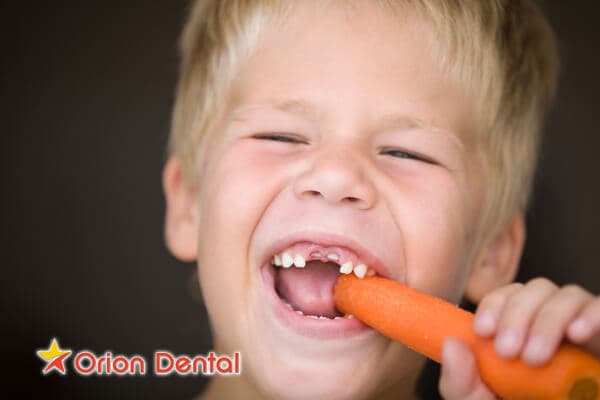
Summer means longer days, more time outdoors, and kids who seem to be perpetually hungry. It is tempting to reach for convenience snacks — juice boxes, granola bars, and ice cream — but many of these are loaded with sugar that feeds the bacteria responsible for tooth decay.
The connection between snacking and dental health is straightforward: every time your child eats sugar, mouth bacteria produce acids that attack tooth enamel for up to 20 minutes. Frequent snacking means frequent acid attacks. At Orion Dental, our children's dentistry team encourages families to think about snack choices as part of their dental health routine. Here are five ideas that kids enjoy and teeth appreciate.
20 min
acid attack after each sugary snack
2–3
planned snacks per day recommended
Less
added sugar is better for teeth
8+
cups of water daily for kids 9–13
1. Fresh Fruit, Vegetables & Dip
The simplest snack is often a good choice. Crunchy vegetables like carrots, celery, snap peas, and bell peppers act as natural scrubbers for teeth, helping to remove food particles and stimulate saliva production. Pair them with hummus, tzatziki, or a small portion of nut butter for added protein and flavour.
Fresh fruits like apple slices, strawberries, and watermelon provide natural sweetness along with fibre and water content that help moderate their sugar impact. Unlike processed sweets, whole fruits require chewing — which stimulates saliva, your mouth's natural defence against acid. Just remember that more acidic fruits (citrus, pineapple) are best eaten with meals rather than as standalone snacks.
Prep Tip
Wash and cut vegetables at the start of the week and store them in containers in the fridge. When kids can grab a healthy snack as easily as an unhealthy one, they are far more likely to reach for it.
2. Whole-Grain Crackers & Cheese
This classic combination delivers both quick energy (from the carbohydrates) and sustained fuel (from the protein and fat in cheese). From a dental perspective, cheese is one of the most tooth-friendly foods available. It raises the pH level in the mouth, reducing acidity, and provides calcium and phosphorus that help remineralise and strengthen enamel.
Choose whole-grain or seed crackers over refined white varieties for added fibre and nutrients. Cheddar, mozzarella, and Swiss cheese are all excellent choices. For outings, pack cheese in an insulated bag — sliced cheese does not do well in warm environments for extended periods. Cheese strings or individually wrapped portions are convenient alternatives for picnics and day trips.
3. Seeds & Nuts
A handful of almonds, cashews, sunflower seeds, or pumpkin seeds provides protein, healthy fats, and minerals like calcium and phosphorus. Seeds and nuts are low in sugar and do not cling to teeth the way sticky snacks do, making them a much friendlier choice for dental health.
Bulk food stores offer a wide variety, and many children enjoy creating their own trail mix with a combination of nuts, seeds, and a small portion of dark chocolate chips or unsweetened coconut flakes. Note: Nuts and seeds are not appropriate for very young children due to choking risk. For children under four, opt for finely ground nut butters spread on crackers or apple slices instead.
Nut & Seed Options Kids Enjoy
- Almonds — rich in calcium, great for enamel health
- Cashews — mild flavour, high in iron and zinc
- Sunflower seeds — shelled and ready to eat, rich in vitamin E
- Pumpkin seeds — good source of magnesium and phosphorus
- Trail mix — let kids choose their own combination for buy-in
Keep Your Child's Smile Healthy
Regular checkups and good nutrition work together to prevent cavities. Book your child's visit today.
4. Homemade Frozen Yoghurt Pops
Store-bought popsicles and frozen treats often contain surprisingly high amounts of added sugar and artificial colouring. A healthier alternative is to make your own at home using plain Greek yoghurt blended with frozen berries. The result is creamy, naturally sweet, and packed with protein and probiotics.
Greek yoghurt is an excellent choice for dental health because it is high in calcium and low in sugar (compared to flavoured varieties). The probiotics it contains may also support a healthier oral microbiome. Pour the blended mixture into popsicle moulds, insert sticks, and freeze for at least four hours. Kids love pulling their own frozen creations out of the freezer on hot days.
| Frozen Treat | Added Sugar | Calcium | Tooth Impact |
|---|---|---|---|
| Homemade yoghurt pop | None / minimal | High | Tooth-friendly |
| Store-bought popsicle | ~15–20 g | Low | Moderate risk |
| Ice cream bar | ~20–25 g | Moderate | Higher risk |
| Slushy / slurpee | ~30–50 g | None | High risk |
5. No-Bake Energy Bites
Energy bites are a fun, hands-on snack that kids can help make. A basic recipe combines rolled oats, nut butter, ground flaxseed, and a touch of honey, formed into small balls and refrigerated. They are portable, satisfying, and contain a fraction of the sugar found in commercial granola bars.
You can customise them with add-ins like unsweetened coconut, chia seeds, or a small amount of mini dark chocolate chips. The oats provide slow-release energy, while the nut butter contributes protein and healthy fats. Because they are homemade, you control exactly how much sugar goes in — which is always a win from a dental perspective.
Let Kids Help in the Kitchen
When children are involved in making their own snacks, they are more invested in eating them. Energy bites are a perfect beginner recipe — no oven required, and rolling the mixture into balls is fun for small hands.
Don't Forget the Water
No discussion of healthy snacking is complete without mentioning hydration. Water is the single most tooth-friendly drink — it rinses away food particles, dilutes acids produced by bacteria, and (when fluoridated) helps strengthen enamel from the inside out.
Encourage your child to drink water throughout the day, especially after snacking. If they find plain water boring, try adding sliced fruit or freezing water in fun-shaped moulds. The goal is to make water the default beverage, saving juice and other sweet drinks for occasional treats served with meals.
The After-Snack Dental Routine
Eat a Snack
Choose one of the five low-sugar options above — or any tooth-friendly alternative.
Drink Water
A glass of water after snacking helps rinse away particles and neutralise acids.
Wait 30 Minutes
If the snack was acidic (citrus, tomatoes), wait before brushing to protect softened enamel.
Brush at Bedtime
Thorough brushing with fluoride toothpaste before bed removes the day's buildup.
A Healthy Summer Starts with Smart Choices
Swapping out a few high-sugar snacks for these tooth-friendly alternatives can make a real difference in your child's dental health — and their overall nutrition. Combined with regular brushing, flossing, and dental checkups, smart snacking is one of the easiest ways to help prevent cavities. If it has been more than six months since your child's last visit, consider booking a sealant consultation for added cavity protection on their permanent molars.
Schedule a visit at our Scarborough or Milton office. Book an appointment or call 416-291-0306 (Scarborough) / 905-636-9770 (Milton).
Frequently Asked Questions
Common questions about sugar, snacking, and children's teeth
Why is sugar bad for children's teeth?
Bacteria in the mouth feed on sugar and produce acids as a byproduct. These acids erode tooth enamel, which over time can lead to cavities. The more frequently teeth are exposed to sugar throughout the day, the greater the risk.
Are fruits bad for teeth since they contain sugar?
Whole fruits contain natural sugars along with fibre and water, which help mitigate the effect on teeth. They are a much healthier choice than processed sweets. Just encourage your child to rinse with water afterward, especially with more acidic fruits like citrus.
What are the worst snacks for children's teeth?
Sticky candies, fruit roll-ups, gummy snacks, and dried fruit are among the most cavity-promoting foods because they cling to tooth surfaces. Sour candies are particularly harmful as they combine sugar with high acidity.
How often should kids snack during the day?
Two to three planned snacks per day (between meals) is generally appropriate. Constant grazing keeps teeth in prolonged contact with food particles and acids, which increases cavity risk.
Does cheese really help protect teeth?
Yes. Cheese raises the pH in the mouth (making it less acidic), stimulates saliva production, and provides calcium and phosphorus that help strengthen enamel. It is one of the most tooth-friendly snacks available.
Should I brush my child's teeth right after eating acidic food?
Wait at least 30 minutes before brushing after consuming acidic foods or drinks. Brushing immediately can spread the acid across softened enamel and cause additional wear. Rinsing with water right away is a safer option.
Related Articles
Continue reading about children's dental health
Your Mid-Summer Dental Checklist for Kids
A practical checklist to keep your child's dental health on track during the summer holidays.
Read moreCavities — How Did That Happen?
Understanding how cavities form and what you can do to prevent them in your family.
Read moreGuide to Oral Health
A comprehensive guide to maintaining healthy teeth and gums at every age.
Read more