
4.64 out of 5 · 295 Google reviews
4.64 / 5 · Google
295 reviews across Milton & Scarborough.
Cold Sores: How Your Dentist Can Help
A cold sore is a cluster of small, fluid-filled blisters near the lips caused by the herpes simplex virus type 1 (HSV-1), which stays dormant in nerve cells and can reactivate with stress, illness, sun exposure, or dental work that stretches the lips. An untreated outbreak usually lasts 7 to 14 days. There is no cure for HSV-1, but your dentist can discuss prescription antivirals and soft tissue laser therapy, each of which works better the earlier it is started.

Orion Dental Team
Led by Dr. Fahimay Naqvi
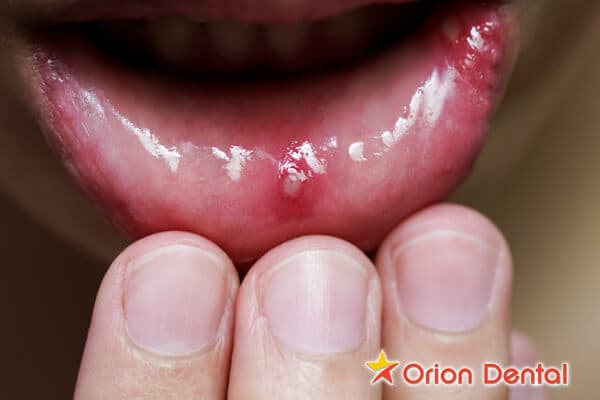
A cold sore is a small cluster of red blisters that appears near the mouth and lips. Caused by the herpes simplex virus type 1 (HSV-1), cold sores are common among Canadian adults — though many carry the virus without ever experiencing visible symptoms. For those who do get outbreaks, they can be painful, inconvenient, and recurring.
While there is no cure for HSV-1, the cold sores it causes can be managed effectively. What many people do not realise is that your dentist can be an important partner in cold sore treatment. At Orion Dental in Scarborough and Milton, we help patients understand their options and find relief.
Common
HSV-1 among adults
7–14 days
typical outbreak duration
Earlier
treatment may shorten an outbreak
3
treatment approaches your dentist can offer
What Are Cold Sores?
Cold sores — also called fever blisters — are small, fluid-filled blisters that typically appear on or near the lips, though they can sometimes develop on the chin, nose, or inside the mouth. They are caused by the herpes simplex virus type 1 (HSV-1), which is distinct from HSV-2 (the type more commonly associated with genital herpes, though either type can appear in either location).
HSV-1 is highly contagious and spreads through direct contact — kissing, sharing utensils, lip balm, or towels. Once contracted, the virus travels along nerve pathways to a cluster of nerve cells near the ear called the trigeminal ganglion, where it remains dormant. Periodically, triggers can reactivate the virus, causing a new outbreak.
Tingling
Day 1–2: itching, burning
Blistering
Day 2–4: fluid-filled sores form
Weeping
Day 4–5: blisters burst, most contagious
Crusting & Healing
Day 5–14: scab forms, heals
Common Cold Sore Triggers
If you carry HSV-1, certain factors can trigger a reactivation. Knowing your triggers can help you take preventive steps to reduce the frequency of outbreaks:
Known Triggers
- Stress and emotional upheaval
- Illness, fever, or a weakened immune system
- Prolonged sun exposure (UV radiation on the lips)
- Hormonal changes (menstruation, pregnancy)
- Fatigue and lack of sleep
- Dental procedures that stretch or traumatise the lips
- Cold, dry weather or wind exposure
- Skin irritation or injury near the mouth
Prevention Tip
If you know dental work triggers your cold sores, inform your dentist before your appointment. A preventive dose of antiviral medication taken before the procedure can often stop an outbreak from developing.
How Your Dentist Can Help Treat Cold Sores
Many patients are surprised to learn that their dentist can offer several effective treatment options for cold sores. Here are the two main approaches:
1. Prescription Antiviral Medications
For patients who experience frequent or severe outbreaks, prescription oral antivirals are one category of treatment that may reduce the duration and severity of episodes. Your dentist or physician will determine whether medication is appropriate for you.
2. Laser Treatment
Soft tissue laser therapy is one approach some patients find helpful. Your dentist can discuss whether it is appropriate for you. The laser delivers focused energy to the affected tissue. Laser treatment is usually well tolerated and typically does not require anaesthesia, and takes only a few minutes.
| Treatment | Best For | When to Start | Effectiveness |
|---|---|---|---|
| Prescription antivirals | Frequent or severe outbreaks | At first tingling or preventively | High — can prevent full outbreak |
| Laser treatment | Active sores or recurrence prevention | Any stage of outbreak | Very high — reduces recurrence in treated area |
Dealing With Recurring Cold Sores?
Talk to our team about treatment options that can reduce outbreaks and speed healing.
Cold Sores and Your Dental Appointments
If you have an active cold sore and a dental appointment coming up, let your dental office know ahead of time. In many cases, routine procedures like cleanings and checkups can still proceed. However, there are situations where rescheduling makes sense:
When to Consider Rescheduling
- The cold sore is in a location that will be stretched or touched during treatment
- You are in the weeping (most contagious) stage of the outbreak
- You are scheduled for a procedure that involves prolonged lip retraction
- The treatment area is near the active sore
Your dentist and hygienist will always take appropriate infection control precautions, but rescheduling when practical helps ensure your comfort and reduces the risk of spreading the virus. For emergency dental situations, treatment proceeds regardless — your dentist will take extra precautions.
Reducing Cold Sore Outbreaks
While you cannot eliminate HSV-1 from your body, you can take steps to reduce how often outbreaks occur:
Manage Stress
Chronic stress is one of the most common triggers. Regular exercise, adequate sleep, and stress management techniques can help.
Protect Your Lips
Use lip balm with SPF 30+ when outdoors. UV radiation is a well-documented trigger for cold sore reactivation.
Boost Your Immune System
A balanced diet, regular exercise, and adequate sleep support immune function and keep the virus suppressed.
Avoid Sharing Personal Items
Don't share lip balm, utensils, towels, or drinking glasses — especially during an active outbreak.
Talk to Your Dentist
If dental work triggers outbreaks, discuss preventive antiviral medication before your next procedure.
Act at the Tingling Stage
Starting treatment at the first sign of tingling gives you the best chance of shortening or preventing the outbreak.
Get Help Managing Cold Sores
Cold sores do not have to control your life. With the right treatment approach, you can reduce the frequency, duration, and severity of outbreaks. Our team at Orion Dental can discuss which options are best suited to your situation and help you take control.
Schedule a consultation at our Scarborough or Milton office. Book an appointment or call 416-291-0306 (Scarborough) / 905-636-9770 (Milton).
Frequently Asked Questions
Common questions about cold sores and dental care
What causes cold sores?
Cold sores are caused by the herpes simplex virus type 1 (HSV-1). Once contracted, the virus remains dormant in nerve cells and can reactivate during periods of stress, illness, sun exposure, or immune suppression.
Are cold sores contagious?
Yes, cold sores are highly contagious, especially when blisters are open and weeping. The virus spreads through direct contact with the sore, saliva, or shared items like utensils, lip balm, or towels. Avoid kissing and sharing personal items during an outbreak.
Can my dentist treat a cold sore with a laser?
Yes. Some dental offices offer soft tissue laser treatment that can reduce the duration and severity of a cold sore outbreak. When applied early (at the tingling stage), laser therapy may even prevent a blister from fully forming and reduce the likelihood of recurrence in the same area.
Should I reschedule my dental appointment if I have a cold sore?
It is best to inform your dental office. Many routine procedures can still be performed, but your dentist may recommend rescheduling if the sore is in an area that could be irritated during treatment or if there is a risk of spreading the virus.
How long do cold sores last?
Without treatment, a cold sore typically lasts 7 to 14 days. With antiviral medication started at the first sign of tingling, outbreaks can be shortened to 3 to 5 days. Laser treatment may further reduce healing time.
Can cold sores spread to other parts of the body?
Yes, though it is uncommon. Touching an active cold sore and then touching your eyes can cause ocular herpes, which is serious. Always wash your hands after touching a cold sore and avoid picking at or popping blisters.
Related Articles
Continue reading about dental health
Cold, Flu & Cavities: What's the Connection?
Illness can increase your cavity risk in surprising ways. Learn how to protect your teeth while sick.
Read moreDry Mouth: Causes, Symptoms & Treatment
Dry mouth often accompanies cold sore triggers like stress and medication. Understand the connection.
Read more