
4.64 out of 5 · 295 Google reviews
4.64 / 5 · Google
295 reviews across Milton & Scarborough.
Canker Sores: Causes, Treatment & Prevention
A canker sore, or aphthous ulcer, is a small shallow lesion on the soft tissue inside the mouth — the inner cheeks, lips, gums, tongue or floor of the mouth — usually with a white or yellowish centre and a red border. Unlike cold sores, canker sores are not caused by a virus and are not contagious, and most minor ones heal within 7 to 14 days. See your dentist if a sore is larger than a pencil eraser, lasts longer than two weeks, or keeps recurring.

Orion Dental Team
Led by Dr. Fahimay Naqvi
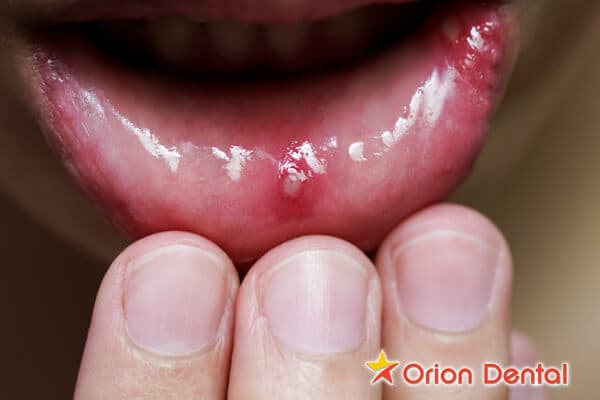
A canker sore — medically known as an aphthous ulcer — is a small, shallow lesion that develops on the soft tissue inside your mouth. They can appear on the inner cheeks, lips, gums, tongue, or the floor of the mouth. Unlike cold sores, which appear on the outside of the lips and are caused by a virus, canker sores are not contagious and occur only inside the mouth.
While canker sores are usually minor and resolve within one to two weeks, they can be quite uncomfortable — especially when eating, drinking, or brushing. At Orion Dental, we help patients understand what triggers these sores and when professional evaluation is warranted.
Common
recurring canker sores
7–14
days to heal (minor sores)
3 types
minor, major, herpetiform
Not
contagious
What Are Canker Sores?
Canker sores form when cells on the soft tissue lining of the mouth break down prematurely, creating a small ulcer. The body's immune response to this tissue damage causes the characteristic swelling, redness, and soreness around the lesion. The sore itself typically appears as a round or oval white or yellowish centre with a red border.
There are three types of canker sores, classified by size and frequency:
| Type | Size | Healing Time | Scarring | Frequency |
|---|---|---|---|---|
| Minor | Under 1 cm | 7–14 days | No | Most common type |
| Major | Over 1 cm | 2–6 weeks | Possible | Less common |
| Herpetiform | Very small clusters | 1–2 weeks | No | Rare; occurs in older adults |
Despite the name, herpetiform canker sores are not caused by the herpes virus. They are called “herpetiform” because the cluster pattern can resemble a herpes outbreak, but they share none of the same viral origin.
What Causes Canker Sores?
The exact cause of canker sores is not fully understood, but several common triggers and contributing factors are recognised:
Minor Mouth Injuries
Accidentally biting your cheek, irritation from dental appliances, aggressive brushing, or rough foods can trigger a sore at the injury site.
Stress & Fatigue
Emotional stress and lack of sleep are strongly correlated with canker sore outbreaks. Managing stress may reduce recurrence.
Certain Foods
Acidic foods (citrus, tomatoes), spicy dishes, and sharp-edged foods like chips or crackers can irritate mouth tissue.
Nutritional Deficiencies
Low levels of iron, vitamin B12, zinc, or folic acid have been linked to recurring canker sores.
Hormonal Changes
Some people notice sores appearing around menstrual cycles or during periods of hormonal fluctuation.
Immune System Factors
Conditions that affect immune function, including certain autoimmune disorders and gastrointestinal conditions like celiac disease, can increase susceptibility.
Genetics also play a role. If your parents experienced frequent canker sores, you are more likely to develop them as well. Some toothpaste ingredients — particularly sodium lauryl sulphate (SLS) — have been associated with canker sore recurrence in some individuals. Switching to an SLS-free toothpaste may help if you experience frequent outbreaks.
Canker Sore vs. Cold Sore
Canker sores occur insidethe mouth and are not contagious. Cold sores appear on or around the lips, are caused by the herpes simplex virus, and can be spread through contact. If you're not sure which type you have, your dentist can help determine the cause.
How to Treat Canker Sores
Most minor canker sores heal on their own within 7 to 14 days. The goal of treatment is to reduce discomfort, speed healing, and prevent infection.
Home Care Strategies
Self-Care for Canker Sores
- Rinse with warm salt water (1/2 teaspoon salt in 1 cup water) several times a day to help reduce inflammation — a traditional home remedy that does not replace care from a dentist
- Avoid spicy, acidic, or rough-textured foods that can irritate the sore
- Use a soft-bristle toothbrush and brush gently around the affected area
- Stay hydrated — water helps keep the mouth clean and supports healing
- Consider switching to an SLS-free toothpaste if you experience frequent sores
When to See Your Dentist
While most canker sores are harmless, you should schedule a visit to your dentist if:
See Your Dentist If...
- The sore is larger than a pencil eraser (approximately 1 cm)
- It has not healed after two weeks
- You develop a fever alongside the sore
- The sores keep coming back frequently
- You experience difficulty eating or drinking
- The sore is unusually painful or spreading
Your dentist may prescribe a prescription treatment for persistent or severe canker sores. A comprehensive oral examination can also help rule out other conditions that may present similarly, such as oral lichen planus or other mucosal disorders.
Persistent or Painful Sore?
If a canker sore isn't healing or keeps recurring, a professional evaluation can help identify the cause.
How to Prevent Canker Sores
Because no single cause has been identified, complete prevention is difficult. However, several strategies can reduce the frequency and severity of outbreaks:
Maintain Good Oral Hygiene
Brush at least twice daily with a soft-bristle brush and floss regularly. A clean mouth has fewer bacteria to complicate healing.
Eat a Balanced Diet
Ensure adequate intake of iron, B12, zinc, and folic acid. A multivitamin may help if dietary intake is insufficient.
Manage Stress
Stress is a well-documented trigger. Regular exercise, adequate sleep, and relaxation techniques can help.
Protect Soft Tissues
Be mindful when eating crunchy foods. If a dental appliance is causing irritation, call the office and we will advise you.
Stay Hydrated
Drinking plenty of water helps maintain a healthy oral environment and supports your body's natural healing processes.
Consider SLS-Free Toothpaste
Sodium lauryl sulphate in some toothpastes may trigger sores in sensitive individuals. Try switching brands if you notice a pattern.
The Connection to Overall Oral Health
While canker sores themselves are usually harmless, frequent outbreaks can sometimes signal underlying conditions worth investigating. Nutritional deficiencies, celiac disease, inflammatory bowel disease, and immune system conditions have all been associated with recurring aphthous ulcers.
Maintaining regular dental checkups allows your dentist to monitor any oral tissue changes over time and ensure that persistent sores receive appropriate follow-up. If you wear Invisalign aligners or other dental appliances, your dentist can check for areas of irritation that might be contributing to sore development.
When In Doubt, Have It Checked
Any oral lesion that doesn't heal within two weeks should be evaluated by a dental professional. This is not to cause alarm — most sores are benign — but early assessment provides peace of mind and ensures nothing is missed.
Need Help With a Persistent Canker Sore?
If you're dealing with a canker sore that won't heal, keeps coming back, or is causing significant discomfort, our team at Orion Dental can evaluate the situation and recommend appropriate treatment. We also offer laser dentistry options that may help with certain types of oral lesions.
Schedule an appointment at our Scarborough or Milton office. Book an appointment or call 416-291-0306 (Scarborough) / 905-636-9770 (Milton).
Frequently Asked Questions
Common questions about canker sores
What is the difference between a canker sore and a cold sore?
Canker sores (aphthous ulcers) occur inside the mouth and are not contagious. Cold sores (fever blisters) are caused by the herpes simplex virus, typically appear on or around the lips, and are contagious. If you are unsure which type you have, your dentist can help with a diagnosis.
How long do canker sores usually last?
Most minor canker sores heal on their own within 7 to 14 days without leaving a scar. Major canker sores (larger than 1 cm) can take several weeks to heal and may leave scarring.
Are canker sores contagious?
No. Unlike cold sores, canker sores are not caused by a virus and cannot be spread from person to person through contact or sharing utensils.
When should I see a dentist about a canker sore?
See your dentist if a canker sore is larger than a pencil eraser, lasts longer than two weeks, is accompanied by fever, or if you experience frequent recurrences. These may warrant further evaluation.
Can certain foods trigger canker sores?
Yes. Acidic foods (citrus fruits, tomatoes), spicy foods, and sharp or crunchy foods can irritate mouth tissue and potentially trigger canker sores in susceptible individuals.
Do canker sores indicate a more serious health condition?
Occasional canker sores are very common and usually not a cause for concern. However, frequent or unusually severe outbreaks can sometimes be associated with nutritional deficiencies, immune system conditions, or gastrointestinal disorders. Your dentist or doctor can help investigate if needed.
Related Articles
Continue reading about dental health
Guide to Oral Health
A comprehensive guide to maintaining healthy teeth and gums at every age.
Read moreBad Breath — The Hows & Whys
Persistent bad breath can signal underlying oral health issues. Learn the common causes.
Read moreTooth Sensitivity: Causes and How to Find Relief
Why your teeth hurt when you eat cold or hot foods — and what you can do about it.
Read more