
4.64 out of 5 · 295 Google reviews
4.64 / 5 · Google
295 reviews across Milton & Scarborough.
Tooth Sensitivity: Causes and How to Find Relief
Tooth sensitivity happens when worn enamel or receding gums expose the dentin beneath, whose microscopic tubules carry hot, cold, sweet and acidic stimuli straight to the nerve. The usual causes are acid erosion, gum recession, a cavity, a cracked tooth, night-time grinding or recent dental work. Desensitising toothpaste with potassium nitrate or stannous fluoride needs several weeks of consistent use, and pain in one specific tooth should be examined.

Orion Dental Team
Led by Dr. Fahimay Naqvi
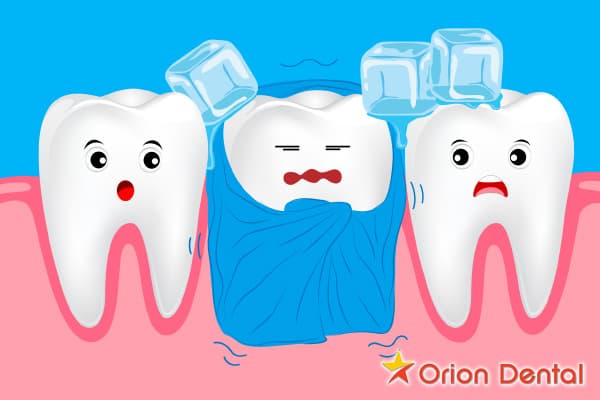
Tooth sensitivity — also called dentin hypersensitivity — is characterised by sharp, temporary pain triggered by hot, cold, sweet, or acidic foods and drinks. It is a common complaint among adults and can range from a mild annoyance to a significant quality-of-life issue.
At Orion Dental in Scarborough and Milton, we help patients identify the cause of their sensitivity and recommend targeted treatments. This guide explains why sensitivity happens, what may be causing yours, and how to find relief.
Common
complaint among adults
Adults
of any age can be affected
Common
trigger: cold foods/drinks
Weeks
before desensitising toothpaste may help
How Tooth Sensitivity Works
Your teeth have a layered structure. The outer layer — enamel — is the hardest substance in the human body and serves as a protective shield. Beneath the enamel lies dentin, a softer layer that contains thousands of microscopic tubules (tiny channels) leading directly to the tooth's nerve centre, called the pulp.
When enamel wears down or gum tissue recedes, these dentin tubules become exposed. External stimuli — cold air, hot coffee, acidic citrus, or even a cold breeze — can then travel through the tubules and stimulate the nerve, producing that characteristic sharp, sudden pain.
The Sensitivity Pathway
Enamel Erosion or Gum Recession
The protective barrier is compromised, exposing the dentin layer underneath.
Dentin Tubules Exposed
Thousands of microscopic channels in the dentin are now open to external stimuli.
Stimulus Reaches the Nerve
Cold, heat, acid, or pressure travels through the tubules to the tooth's pulp.
Pain Signal
The nerve responds with a sharp, sudden jolt of pain that typically subsides quickly once the stimulus is removed.
Common Causes of Tooth Sensitivity
Sensitivity is a symptom, not a diagnosis. Identifying the underlying cause is the key to effective treatment. Here are the most common culprits:
| Cause | What Happens | Common Signs |
|---|---|---|
| Enamel Erosion | Acidic foods/drinks, aggressive brushing, or acid reflux gradually wear away enamel | Generalised sensitivity across multiple teeth |
| Gum Recession | Gum tissue pulls back, exposing root surfaces that lack enamel protection | Sensitivity concentrated near the gum line |
| Tooth Decay (Cavities) | Bacteria erode tooth structure, creating openings to the dentin | Sensitivity localised to one specific tooth |
| Cracked Tooth | A fracture in the tooth allows stimuli to reach the nerve | Sharp pain when biting down; intermittent sensitivity |
| Teeth Grinding (Bruxism) | Chronic clenching wears down enamel and can cause micro-fractures | Sensitivity across biting surfaces; jaw soreness |
| Recent Dental Work | Fillings, crowns, or whitening can temporarily irritate the nerve | Sensitivity that typically resolves within days to weeks |
Acidic beverages are a particularly common contributor. Frequent consumption of cola, citrus juices, wine, and sports drinks can erode enamel over time, even if your brushing habits are otherwise good. Sipping through a straw and rinsing with water afterward can help minimise acid contact with your teeth.
Missing Teeth Can Affect Sensitivity Too
When a tooth is missing, the adjacent teeth can shift and become exposed in new areas, leading to unexpected sensitivity. Replacing missing teeth with dental implants or bridges helps stabilise the surrounding teeth and protect them from additional exposure.
Tired of Avoiding Cold Foods?
A dental examination can identify the cause of your sensitivity and help you find lasting relief.
Treatment Options for Sensitive Teeth
Treatment depends on the underlying cause. Your dentist will perform a thorough evaluation — including digital X-rays if needed — to determine the right approach.
At-Home Approaches
Home Care for Sensitivity
- Use a desensitising toothpaste containing potassium nitrate or stannous fluoride — apply consistently for several weeks
- Switch to a soft-bristle toothbrush and brush with gentle, circular motions rather than aggressive back-and-forth strokes
- Limit acidic foods and drinks; rinse with water after consuming them
- Avoid very hot and very cold food combinations in rapid succession
- If you grind your teeth at night, ask about a custom night guard
Professional Treatments
When home care is not enough, your dentist can offer several in-office treatments:
Fluoride Varnish
A concentrated fluoride treatment applied to sensitive areas to strengthen enamel and reduce tubule exposure.
Bonding or Sealants
Tooth-coloured resin can be applied to exposed root surfaces to create a protective barrier over sensitive dentin.
Custom Night Guard
For bruxism-related sensitivity, a custom night guard protects enamel from grinding forces while you sleep.
Gum Graft Surgery
When recession is severe, a gum graft can cover exposed root surfaces and reduce sensitivity at the source.
Root Canal Therapy
For severe, persistent sensitivity that doesn't respond to other treatments, a root canal removes the nerve causing the pain.
Crown or Restoration
A cracked or heavily worn tooth may benefit from a crown that encases and protects the remaining structure.
If a cavity is the cause, a filling or dental restoration will address the sensitivity directly. For cracked teeth, a dental crown may be recommended to protect the tooth from further damage. In cases where the nerve is severely compromised, root canal therapy can provide definitive relief.
How to Prevent Tooth Sensitivity
Many of the factors that lead to sensitivity are within your control. These habits can help protect your enamel and gum tissue:
Prevention Tips
- Brush gently with a soft-bristle brush — aggressive brushing accelerates enamel wear and gum recession
- Use fluoride toothpaste to help remineralise and strengthen enamel
- Limit consumption of acidic foods and beverages, or use a straw to reduce direct tooth contact
- Wait 30 minutes after consuming acidic food before brushing — acid softens enamel temporarily
- Wear a night guard if you grind or clench your teeth during sleep
- Attend regular dental checkups so your dentist can catch enamel wear or recession early
- Stay hydrated to maintain healthy saliva flow, which helps neutralise acids in the mouth
Sensitivity After Whitening
Some sensitivity after teeth whitening is normal and usually temporary. Using a desensitising toothpaste before and after treatment can help. Talk to your dentist about which whitening approach is right for your level of sensitivity.
Ready to Find Relief?
Tooth sensitivity is not something you have to live with. Whether the cause is enamel erosion, gum recession, a cavity, or something else entirely, your dentist can help you identify the source and create a plan to address it.
Schedule an examination at our Scarborough or Milton office. Book an appointment or call 416-291-0306 (Scarborough) / 905-636-9770 (Milton).
Frequently Asked Questions
Common questions about tooth sensitivity
Why do my teeth hurt when I eat cold foods?
When enamel wears down or gums recede, the underlying dentin layer becomes exposed. Dentin contains tiny tubules that lead to the tooth's nerve. Cold temperatures travel through these tubules and stimulate the nerve, causing that sharp, sudden pain.
Can sensitive teeth be a sign of a cavity?
Yes. Sensitivity can be an early sign of tooth decay, especially if the pain is localised to one specific tooth. A dental examination with X-rays can determine whether a cavity is present.
Does teeth whitening cause sensitivity?
Some patients experience temporary sensitivity during or after whitening treatments. This is usually short-lived. Your dentist can recommend strategies to minimise discomfort, such as using a desensitising toothpaste before and after the procedure.
What toothpaste is recommended for sensitive teeth?
Toothpastes containing potassium nitrate or stannous fluoride are commonly recommended for sensitivity. These ingredients help block the nerve pathways in exposed dentin. Consistent use over several weeks typically yields the greatest benefit.
When should I see a dentist about tooth sensitivity?
See your dentist if sensitivity is persistent, worsening, localised to one tooth, or accompanied by pain when biting. These may indicate a crack, cavity, or other condition requiring treatment.
Can gum recession cause tooth sensitivity?
Yes. When gums recede, they expose the root surface of the tooth, which lacks the protective enamel covering. This exposed root is more sensitive to temperature changes and touch.
Related Articles
Continue reading about dental health
Treating Receding Gums: Causes, Signs & Treatment Options
Gum recession is a common cause of sensitivity. Learn what causes it and how it can be treated.
Read moreCavities: How Did That Happen?
Understanding how cavities form — and what you can do to prevent them.
Read moreWhat Is a Root Canal?
When sensitivity leads to deeper problems, a root canal may be the solution. Here's what to expect.
Read more