
4.64 out of 5 · 295 Google reviews
4.64 / 5 · Google
295 reviews across Milton & Scarborough.
Acidic Foods and Your Teeth: What You Need to Know
Acidic foods and drinks — citrus fruits and juices, colas, wine, vinegar dressings and sour candies — soften and gradually dissolve tooth enamel, and once enamel is lost it does not grow back. Rinse with plain water afterwards and wait at least 30 minutes before brushing, so saliva has time to neutralise the acid instead of you scrubbing softened enamel. Sugar-free fizzy drinks are not exempt: they still contain citric and phosphoric acid.

Orion Dental Team
Led by Dr. Fahimay Naqvi
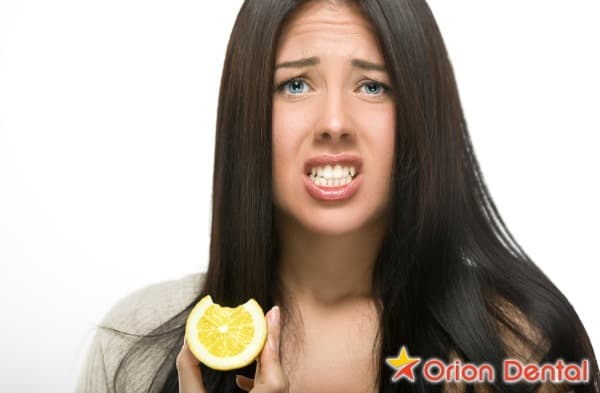
Most of us know that sugar is bad for teeth, but fewer people realise that acid can be equally destructive — and acidic foods show up in our diets far more often than we might think. From your morning orange juice to an afternoon cola, acid exposure is a daily occurrence for most Canadians.
At Orion Dental in Scarborough and Milton, we regularly see patients whose enamel has been worn down by acidic diets. This guide explains how acid erosion happens, which foods and drinks are the biggest offenders, and the practical steps you can take to keep your enamel strong.
pH 2.5
acidity of cola drinks
30 min
wait time before brushing
Enamel
hardest substance in your body
None
natural enamel regrowth
Understanding Tooth Enamel — Your First Line of Defence
Enamel is the thin, translucent outer layer that covers the crown of every tooth. It is both the strongest substance in the human body and, paradoxically, one of the most brittle. Unlike bone, enamel contains no living cells, which means your body cannot repair or regrow it once it's gone.
Enamel's job is to shield the softer, sensitive layers underneath — dentin and the nerve-rich pulp — from temperature changes, chewing forces, and chemical attack. When acids weaken this shield, you become more vulnerable to cavities, sensitivity, and discolouration.
Did You Know?
Enamel ranks about 5 on the Mohs hardness scale — harder than steel — yet it can be dissolved by acids with a pH below 5.5. Many popular beverages fall well below this threshold.
How Acid Erosion Works
Every time you consume something acidic, the pH level in your mouth drops. When it falls below about 5.5, the minerals in your enamel — primarily calcium and phosphate — begin to dissolve in a process called demineralisation. Your saliva normally restores the balance within 30 to 60 minutes by neutralising the acid and depositing minerals back onto the tooth surface (remineralisation).
The problem arises when acid exposure is frequent or prolonged. Sipping on acidic drinks throughout the day, for example, keeps your mouth in a constant state of demineralisation without giving saliva enough recovery time. Over weeks and months, this leads to permanent enamel loss.
The Acid Erosion Cycle
Acid Contact
Acidic food or drink enters the mouth and lowers pH below 5.5.
Demineralisation
Calcium and phosphate ions dissolve out of the enamel surface.
Saliva Response
Saliva gradually neutralises the acid and begins remineralisation.
Recovery (30+ min)
Minerals are redeposited and enamel hardens again — if given enough time.
The Worst Offenders: Foods and Drinks That Erode Enamel
Not all acidic foods are equally harmful. The degree of erosion depends on the type of acid, concentration, frequency of consumption, and how long it stays in contact with your teeth. Here are the most common culprits:
Citrus Fruits and Juices
Oranges, grapefruits, lemons, and limes are packed with vitamin C and other nutrients, but they also contain citric acid— one of the most erosive acids for enamel. Fruit juices are particularly problematic because they bathe your teeth in acid for longer periods, especially if sipped slowly. Even “freshly squeezed” and “all natural” juices are highly acidic.
Soft Drinks and Colas
Colas contain phosphoric acid, which can be even more corrosive than lemon juice. Diet versions are not safer for enamel — they remove the sugar but retain the acid. Sports drinks and energy drinks also rank high on the erosion scale due to their combination of citric acid and low pH.
Coffee and Wine
Both coffee and wine are acidic and contribute to enamel wear and staining. Red wine combines acidity with chromogens (colour compounds) and tannins, making it a triple threat. White wine, while less staining, can be even more acidic.
Sour Candies and Vinegar-Based Foods
Sour candies are coated in citric and tartaric acids that cling to teeth. Vinegar-based dressings, pickled foods, and condiments like ketchup also contribute to acid exposure, particularly when consumed frequently.
| Food / Drink | Approximate pH | Acid Type | Erosion Risk |
|---|---|---|---|
| Lemon juice | 2.0 | Citric acid | Very high |
| Cola drinks | 2.5 | Phosphoric acid | Very high |
| Orange juice | 3.5 | Citric acid | High |
| Sports drinks | 3.0 | Citric acid | High |
| Red wine | 3.5 | Tartaric acid | Moderate–high |
| Coffee (black) | 5.0 | Chlorogenic acid | Moderate |
| Plain water | 7.0 | None | None |
Concerned About Enamel Erosion?
A comprehensive checkup can detect early signs of erosion before they become serious.
Signs That Acid Erosion May Be Affecting Your Teeth
Acid erosion develops gradually, and the early signs are easy to miss. During your comprehensive checkup, your dentist will look for these indicators:
Warning Signs of Acid Erosion
- Increased tooth sensitivity to hot, cold, or sweet foods
- A yellowish discolouration as the white enamel thins and exposes darker dentin
- Teeth that appear slightly translucent or glassy at the edges
- Small dents or cupping on the chewing surfaces of back teeth
- Fillings that seem to sit higher than the surrounding tooth surface
- Teeth that look rounded, smooth, or have lost their natural texture
Practical Ways to Protect Your Enamel
You do not need to eliminate acidic foods entirely — many of them are nutritious and enjoyable. The key is managing how and when you consume them.
Wait Before Brushing
After consuming acidic foods or drinks, rinse with plain water and wait at least 30 minutes before brushing. Brushing softened enamel can accelerate wear.
Use a Straw
When drinking acidic beverages like juice or fizzy water, use a straw positioned toward the back of your mouth to reduce contact with your teeth.
Rinse with Water
A quick rinse with plain water after eating or drinking helps dilute acids and speed up your mouth's natural recovery process.
Pair with Meals
Consuming acidic foods as part of a larger meal (rather than on their own) reduces their erosive impact because other foods help buffer the acid.
Choose Fluoride Toothpaste
Fluoride strengthens enamel and supports remineralisation. Your dentist may recommend a prescription-strength option if erosion is already present.
Chew Sugar-Free Gum
Chewing gum after meals stimulates saliva flow, which can help protect your teeth against acid. This is a traditional home measure and does not replace care from a dentist.
Saliva Is Your Best Friend
Your saliva naturally neutralises acids and restores minerals to your enamel. Staying well-hydrated, eating crunchy vegetables, and avoiding constant snacking all help keep your saliva working at its best.
When to See Your Dentist About Acid Erosion
If you notice increasing sensitivity, discolouration, or changes in the shape of your teeth, it is worth scheduling an appointment sooner rather than later. Early intervention can prevent further loss and protect the enamel you still have. Your dentist may recommend:
Professional Treatment Options
- Fluoride varnish or prescription-strength fluoride products to strengthen remaining enamel
- Dental bonding to repair areas where enamel has worn through
- Porcelain veneers or crowns for more extensive erosion
- Dietary counselling to identify hidden acid sources in your routine
- Custom night guards if acid reflux or bruxism is contributing to wear
If you also grind or clench your teeth at night, the combination of acid erosion and mechanical wear can accelerate damage significantly. A custom night guard can help protect your teeth from both forces.
Protect Your Smile for the Long Term
Acid erosion is a gradual process, but the damage it causes is permanent. The good news is that simple habit changes — rinsing with water, using a straw, waiting before brushing — can make a meaningful difference. Combined with regular dental checkups, you can enjoy your favourite foods while keeping your enamel strong and healthy.
Schedule a checkup at our Scarborough or Milton office. Book an appointment or call 416-291-0306 (Scarborough) / 905-636-9770 (Milton).
Frequently Asked Questions
Common questions about acidic foods and tooth enamel
Which acidic foods are worst for your teeth?
Citrus fruits and juices, soft drinks (especially colas), wine, vinegar-based dressings, and sour candies are among the most erosive. Colas contain phosphoric acid that can be more damaging than lemon juice when consumed regularly.
Should I brush my teeth right after eating acidic food?
No. Brushing immediately after consuming acidic foods can damage softened enamel. Rinse your mouth with plain water and wait at least 30 minutes before brushing to allow your saliva to neutralise the acids first.
Can enamel damaged by acid be repaired?
Once enamel is lost, it cannot regenerate. However, early-stage demineralisation can sometimes be reversed with fluoride treatments, remineralising toothpaste, and dietary changes. Your dentist can assess the extent of damage and recommend appropriate treatment.
Does drinking acidic beverages through a straw help protect teeth?
Yes, using a straw can reduce contact between acidic beverages and your teeth. Position the straw toward the back of your mouth to minimise exposure to your front teeth in particular.
How does saliva protect teeth from acid erosion?
Saliva is your mouth's natural defence against acid. It neutralises acids, washes away food particles, and contains minerals like calcium and phosphate that help remineralise enamel. Staying well-hydrated supports healthy saliva production.
Are sugar-free fizzy drinks safe for teeth?
Not entirely. While sugar-free options eliminate the risk of sugar-related decay, they still contain acids (such as citric acid and phosphoric acid) that can erode enamel over time. Moderation and rinsing with water afterward are still important.
Related Articles
Continue reading about dental health
5 Everyday Foods That Are Good for Your Teeth
Discover the everyday foods that strengthen enamel, boost saliva, and support long-term oral health.
Read moreFoods That Don't Stain Your Teeth
How to eat a colourful, nutritious diet without sacrificing a bright smile.
Read moreHow Drinking Water Helps Fight Bad Breath
Hydration plays a bigger role in oral health than most people realise.
Read more